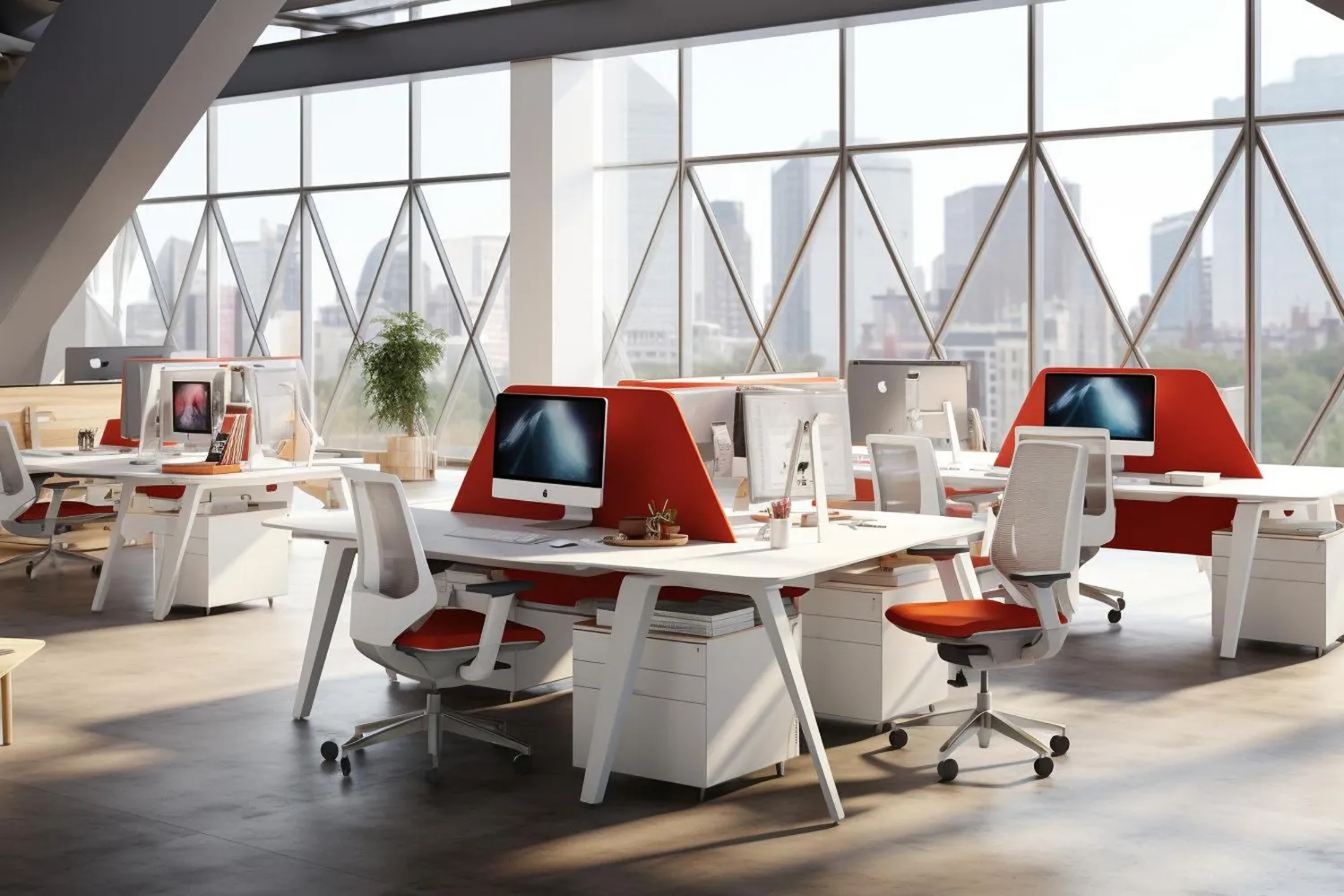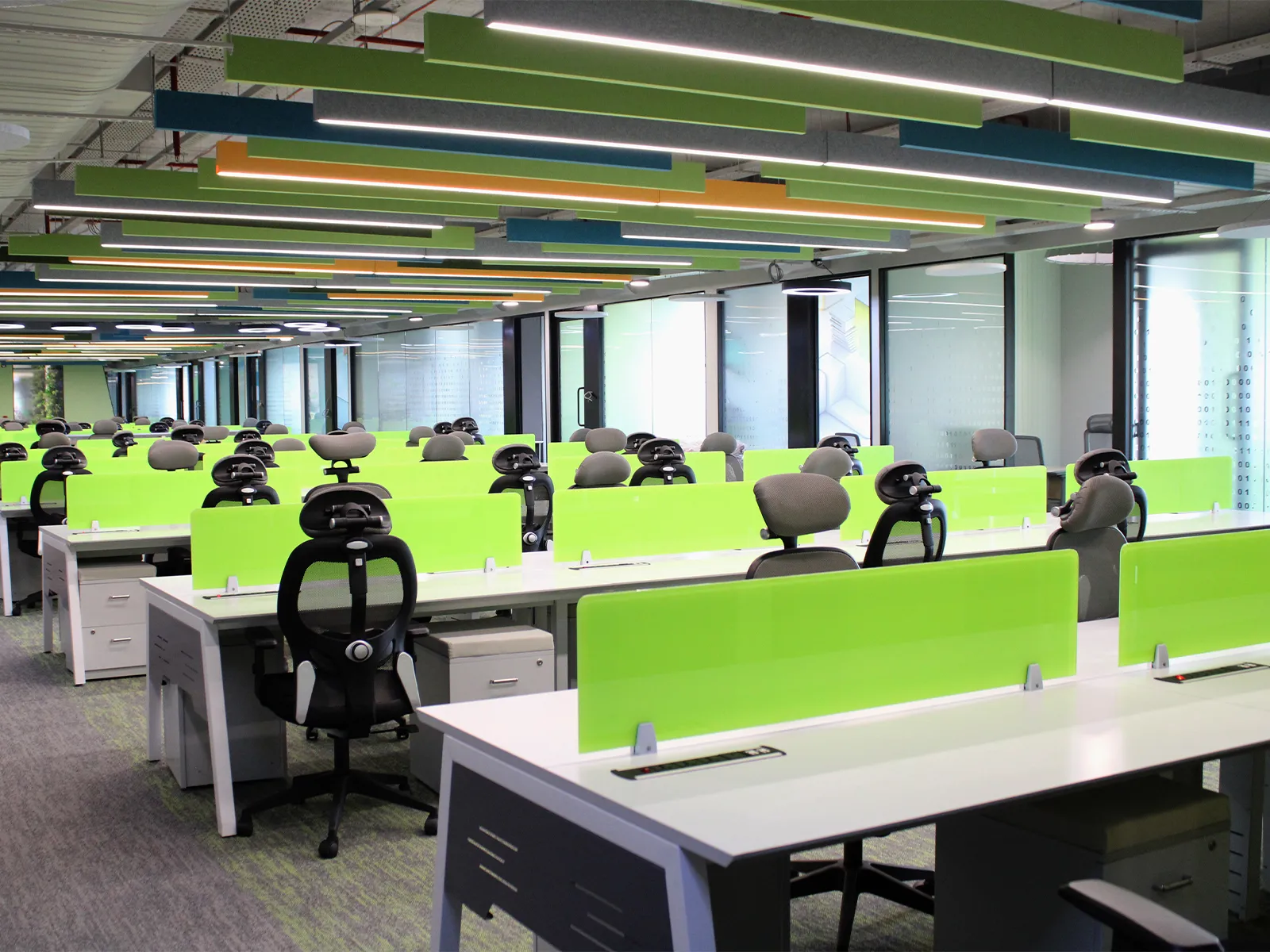
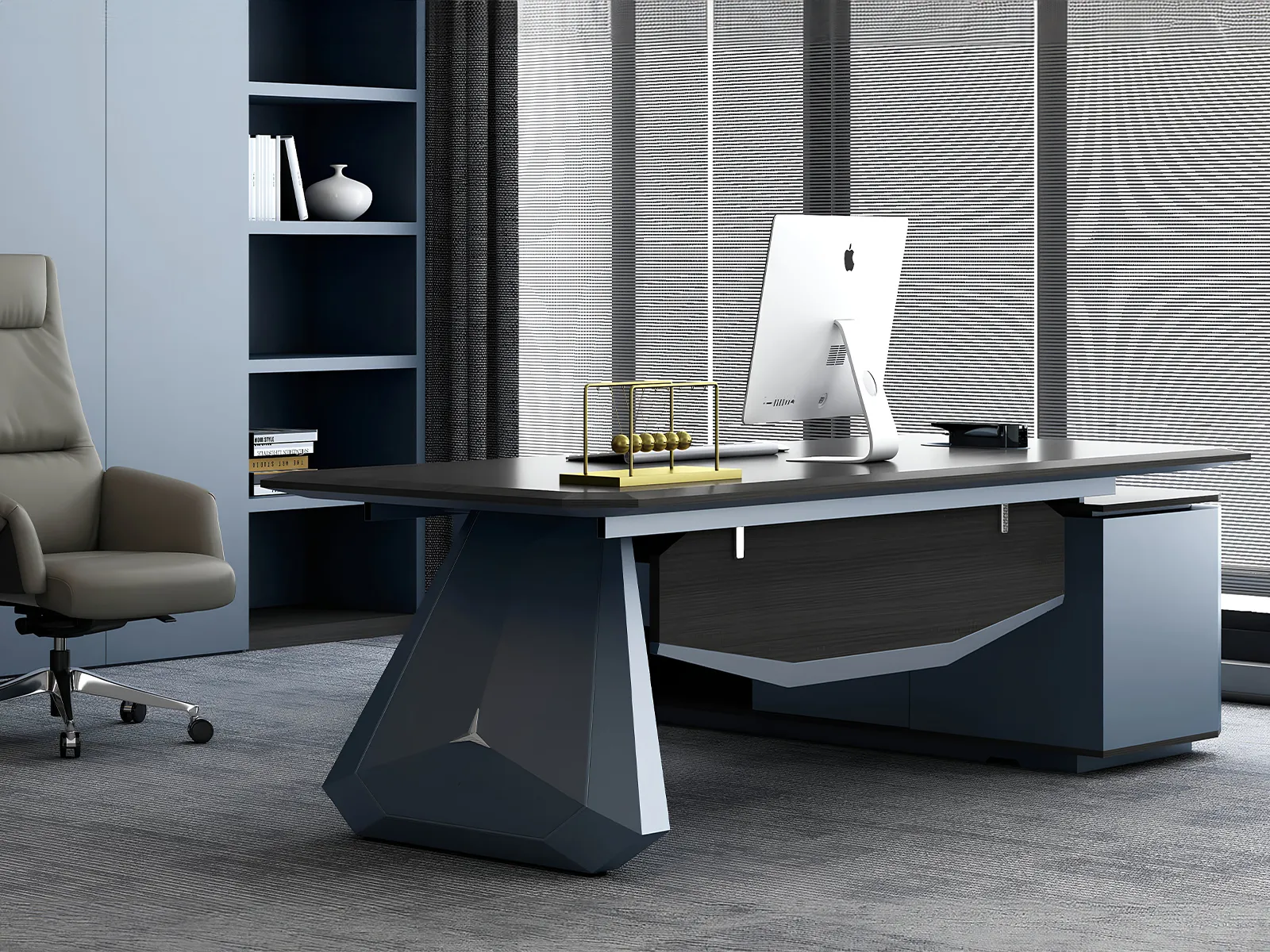
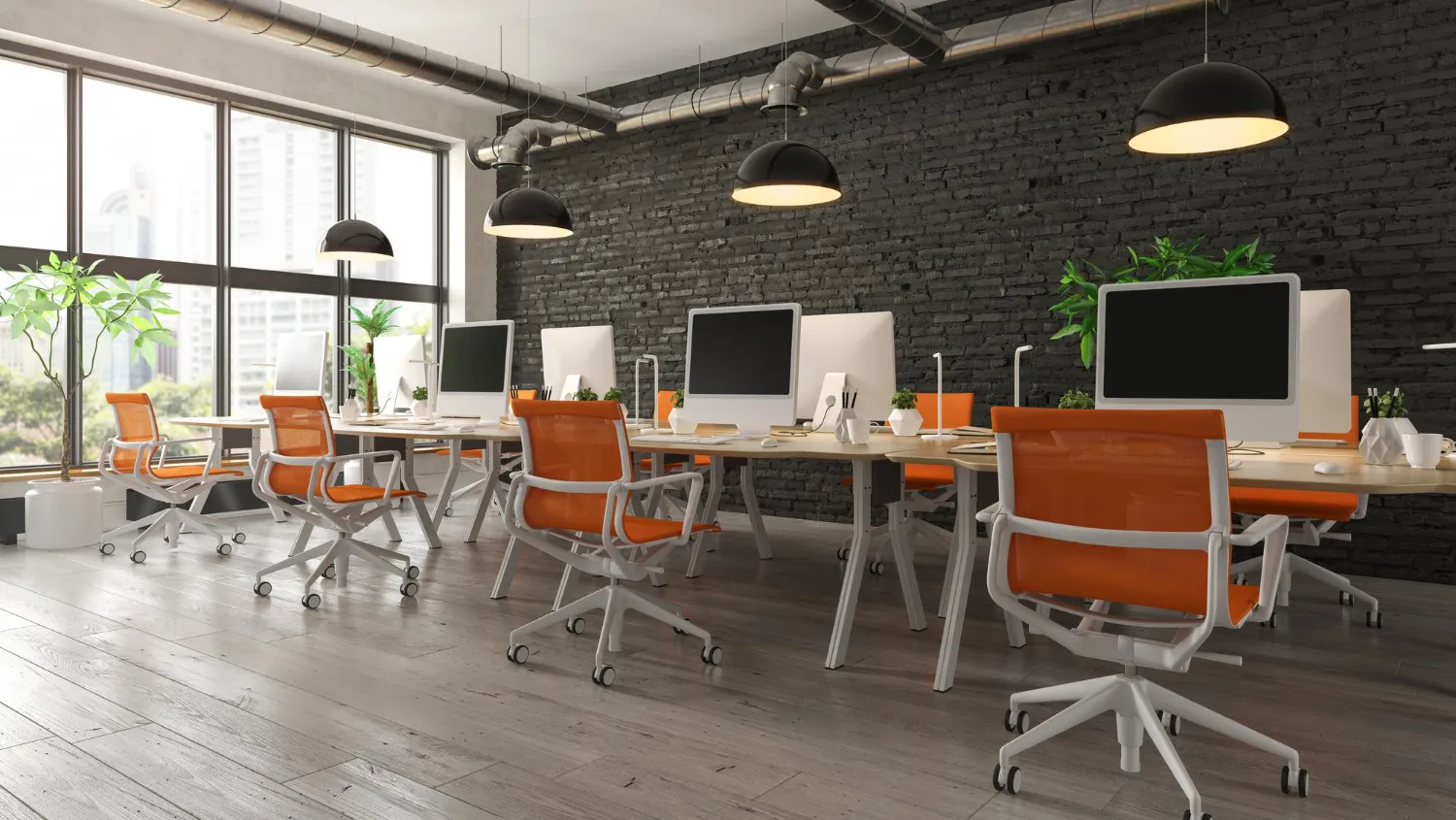
Workspaces today are not just about where people sit. They are about how people feel, think, and perform. The right furniture plays a quiet but powerful role in shaping those outcomes. From seating that supports long hours to layouts that spark collaboration, design choices directly influence productivity and workplace culture.
Furniture as the Foundation of Productivity
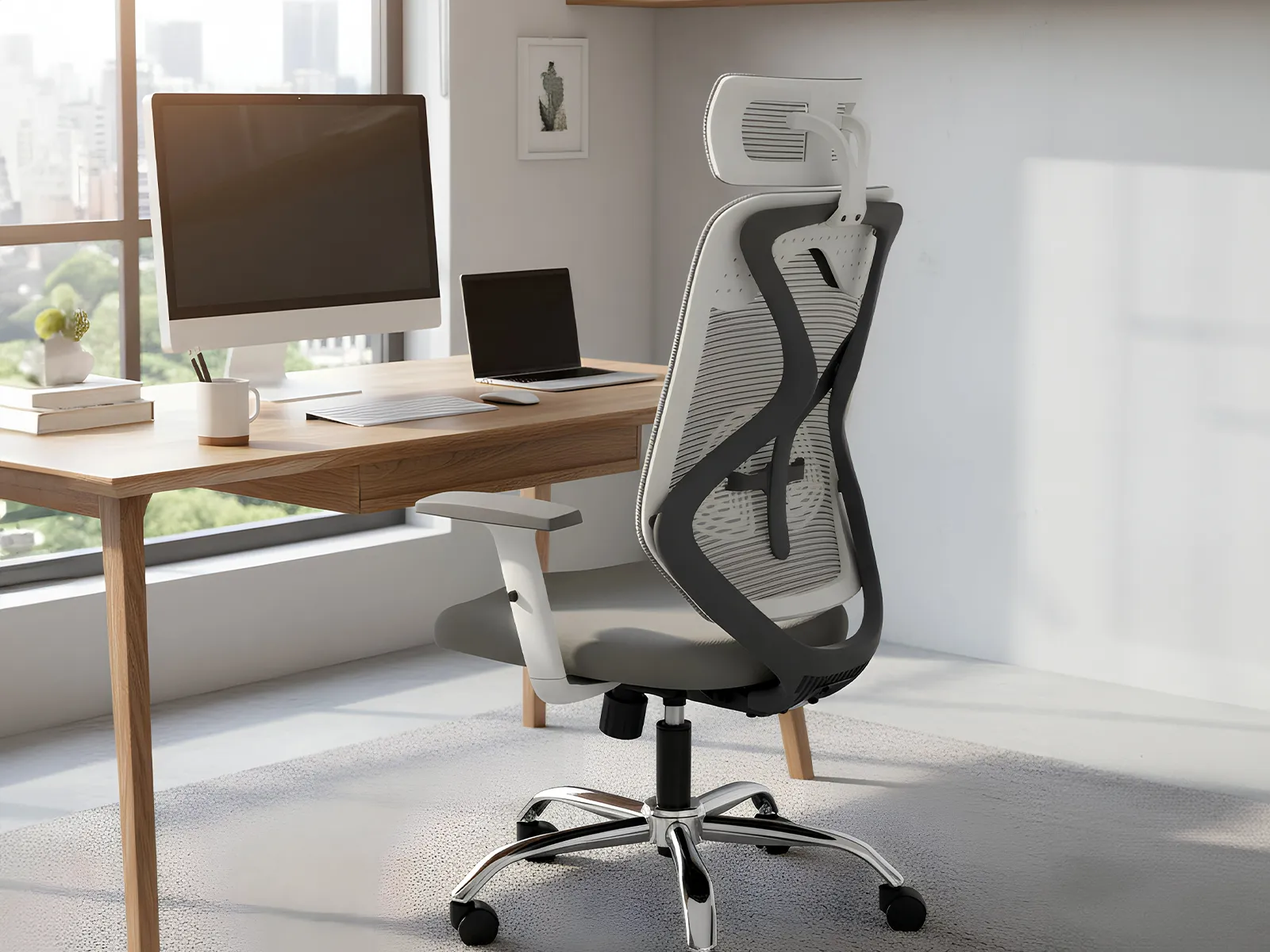
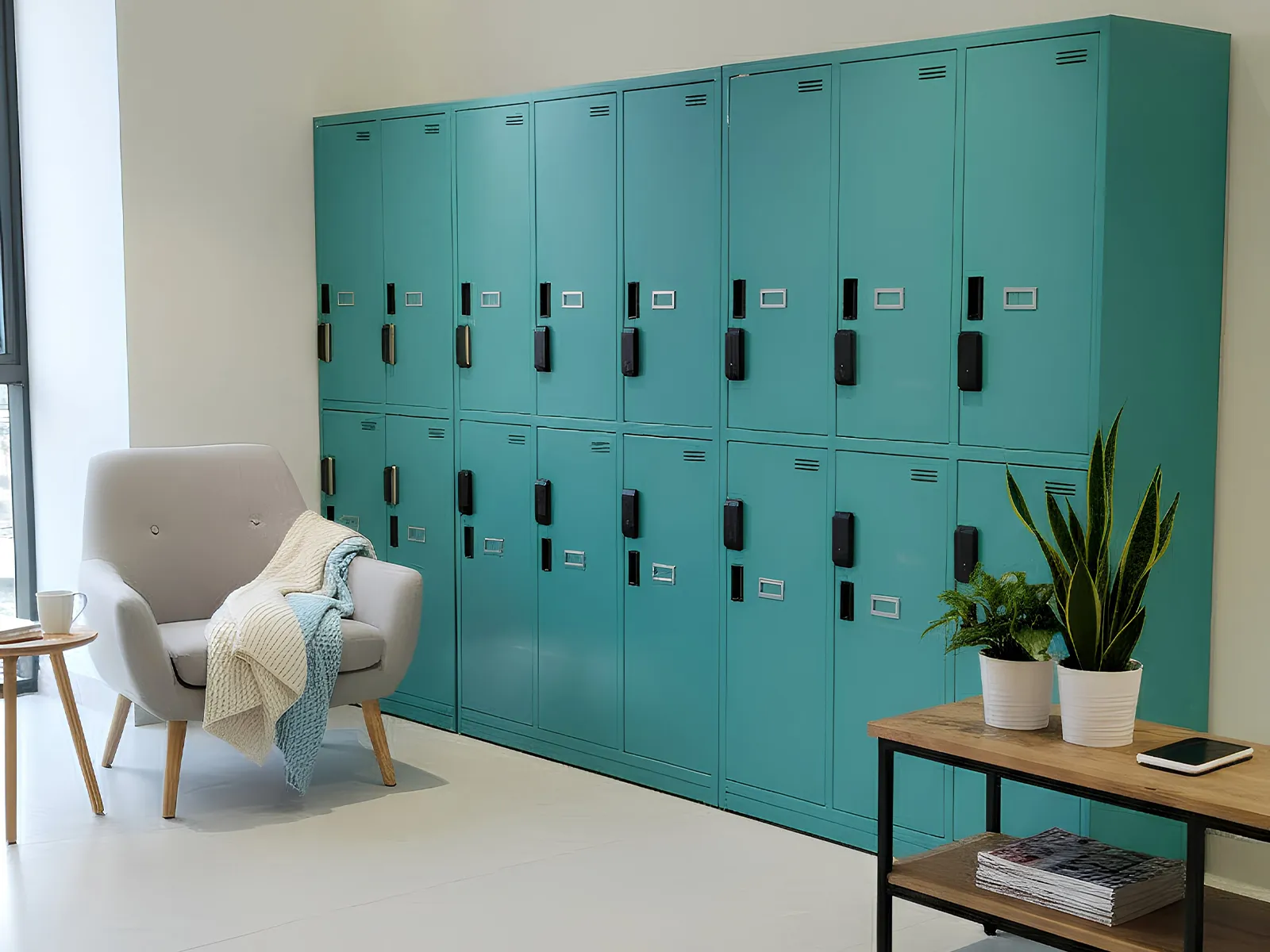
A chair that aligns with posture. A desk with the right height. Storage that is easy to access. These details may seem small, but together they create the comfort that lets people focus. When employees feel at ease physically, they spend less energy on discomfort and more on their work.
Well-designed furniture also minimizes fatigue. Adjustable chairs, ergonomic desks, and cushioned seating protect against strain, helping teams stay energized through the day. Productivity is not just about working harder—it’s about creating conditions where good work happens naturally.
The Role of Aesthetics in Workplace Culture
Culture is shaped not just by policies, but by the atmosphere people walk into every morning. A workspace that looks modern, bright, and thoughtfully furnished sets the tone for how employees engage with their tasks and with each other.
Clean lines, warm finishes, and a mix of collaborative and private spaces create balance. Teams feel more open to ideas when the environment feels inviting. In many ways, the furniture becomes silent communication—it tells employees they are valued and encourages them to bring their best.
Designing for Collaboration and Focus
Workspaces today need to serve two opposite needs: uninterrupted focus and easy collaboration. Furniture plays a key role in balancing the two.
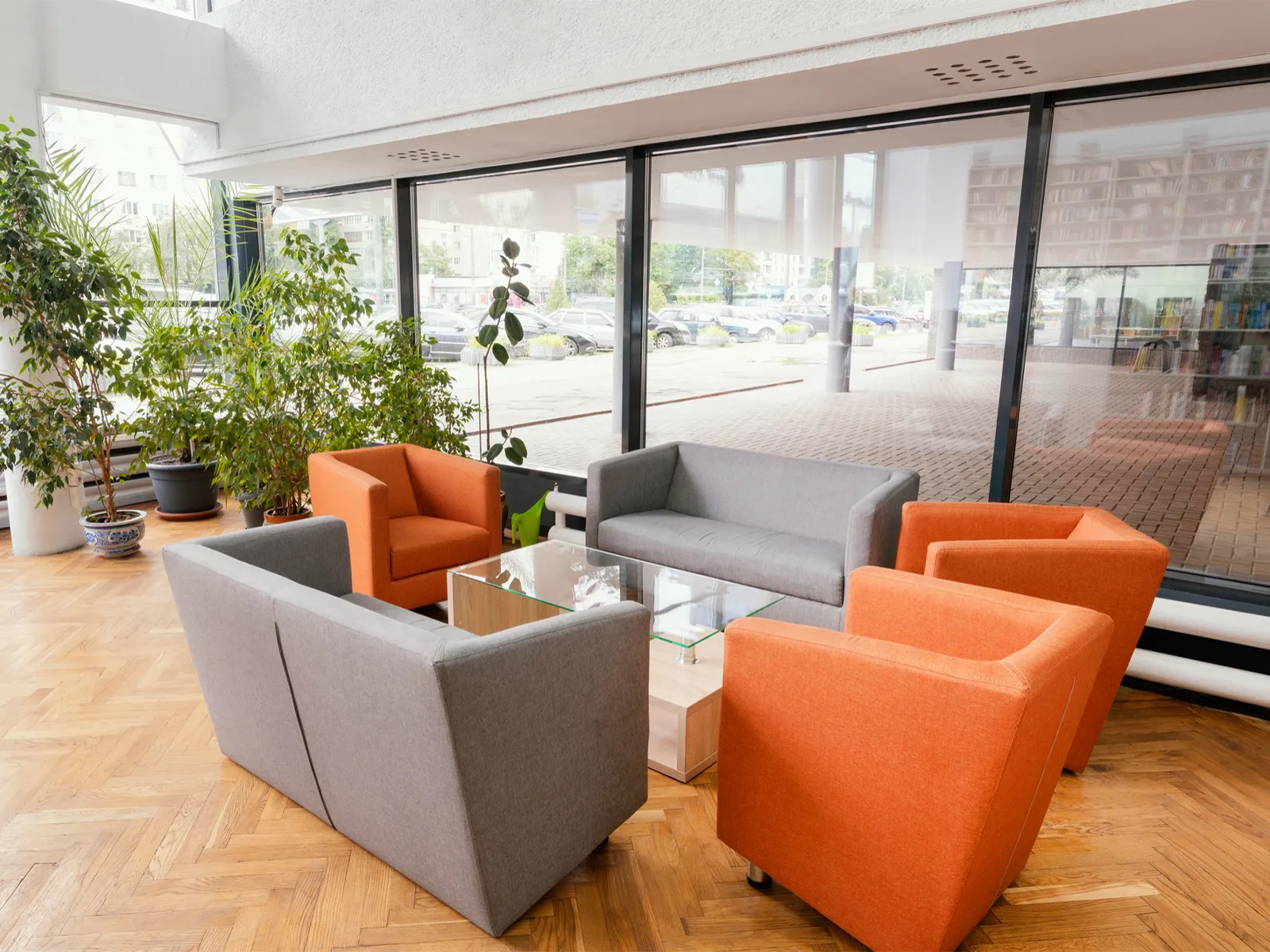
- Collaborative Zones – Modular seating, shared tables, and lounge corners bring people together, encouraging conversations and quick exchanges of ideas.
- Focus Areas – Ergonomic chairs, noise-friendly partitions, and individual desks allow employees to settle into deep work without distraction.
The ability to move seamlessly between these modes is what keeps modern workplaces agile and effective.
Material Choices That Matter
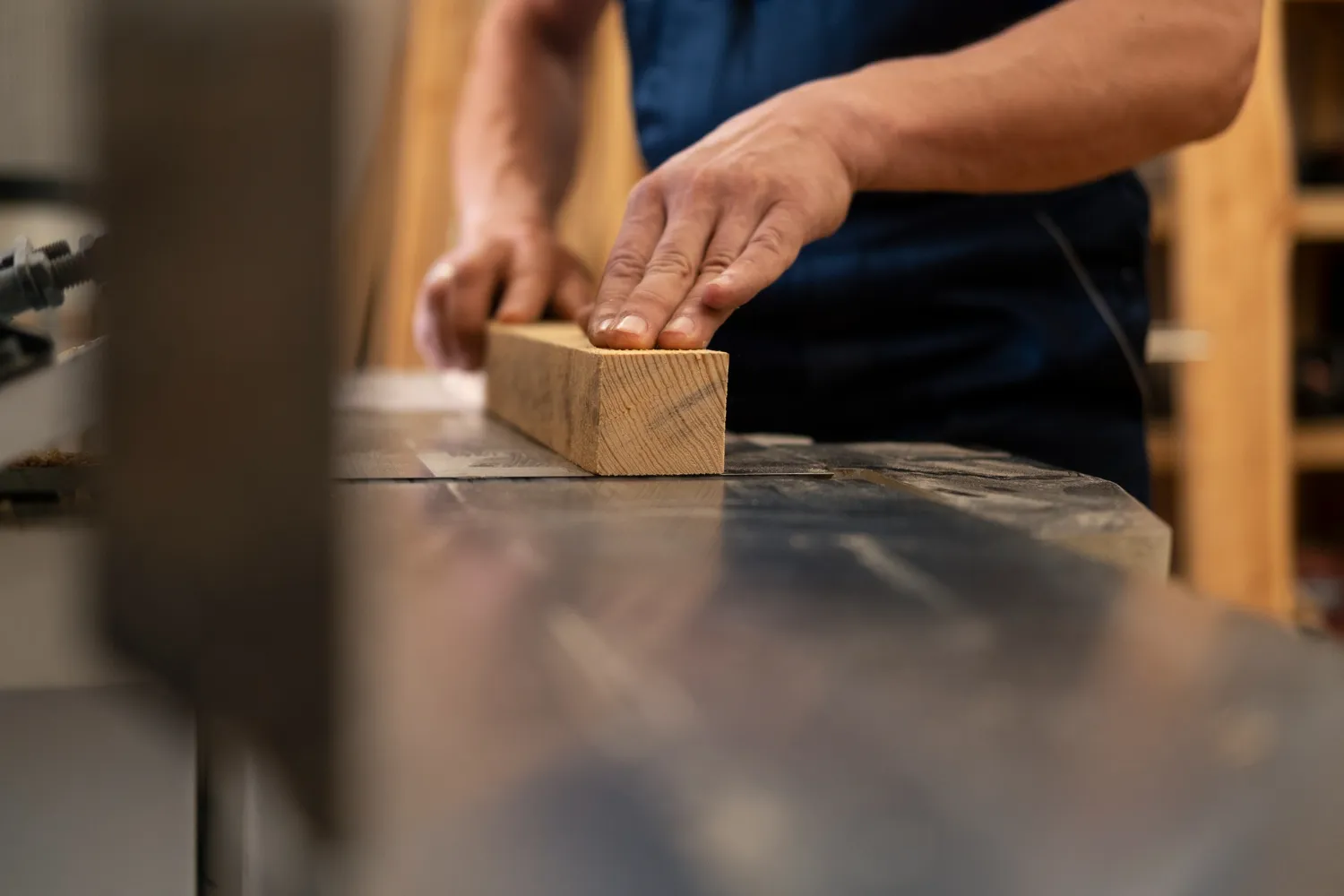
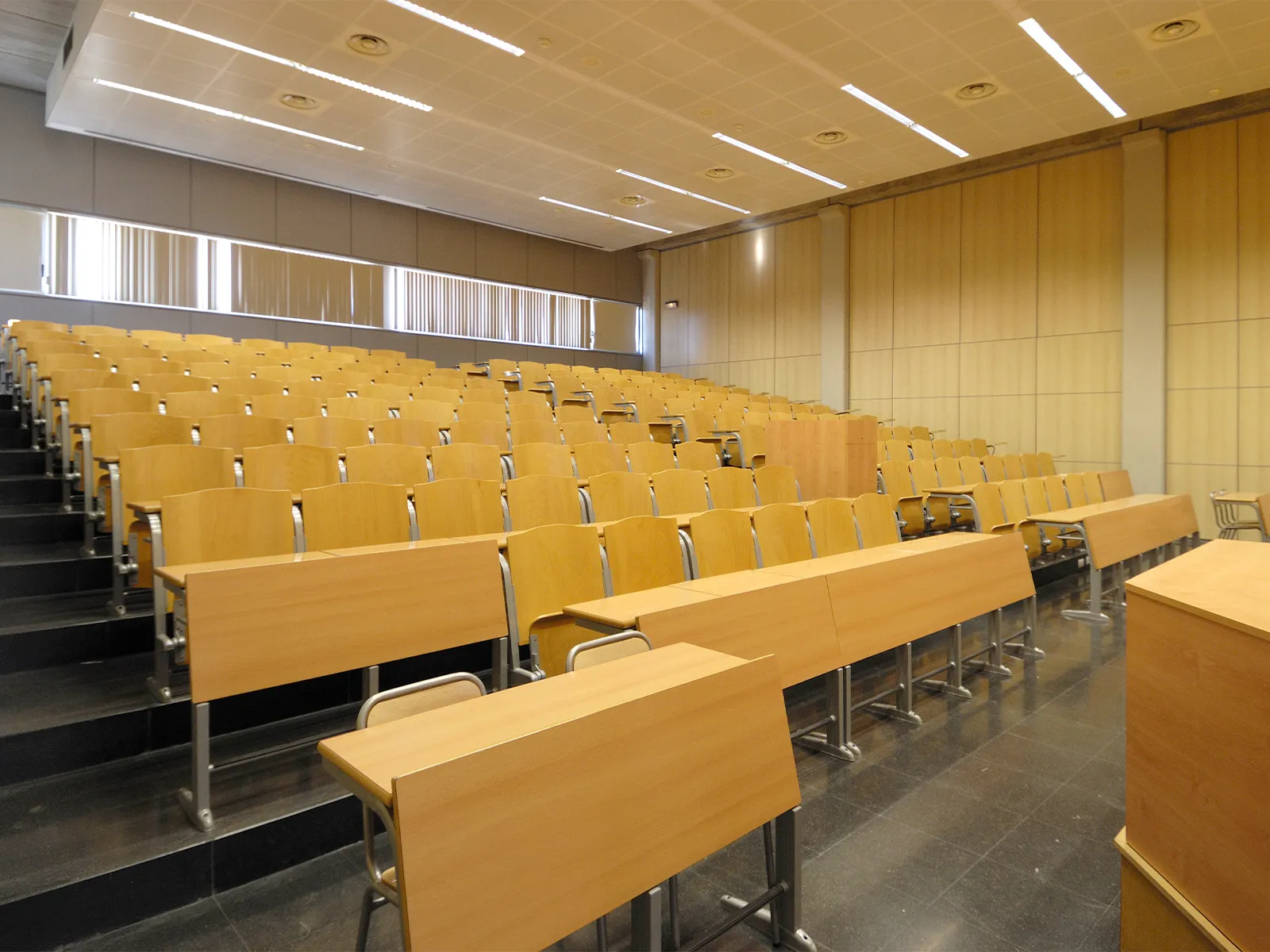
The durability of furniture often defines how reliable a workspace feels. Solid wood, sturdy metal frames, and high-quality cushioning don’t just last longer—they signal stability and attention to detail. Each material adds its own character: wood brings warmth, metal conveys strength, and fabrics add texture and comfort.
A culture of excellence starts with the tools people use every day. Well-chosen materials don’t just elevate the look of a space, they support a company’s promise of quality.
Timeliness as a Design Value
Furniture isn’t only about design—it’s about delivery. Meeting deadlines matters because it shows respect for the pace of business. When furniture is installed on time, it reduces disruption and allows teams to quickly settle into their upgraded environment. A workspace that is delivered as promised builds trust and strengthens culture in its own way.
Creating Spaces That Inspire
When furniture is designed with intention, it transforms a workplace. It’s no longer just about chairs and tables—it’s about how people work, how they feel, and how they connect with each other. The right design choices spark creativity, improve efficiency, and nurture a culture where employees want to do their best work.
An inspiring workspace doesn’t just happen. It is built, one thoughtful piece of furniture at a time.