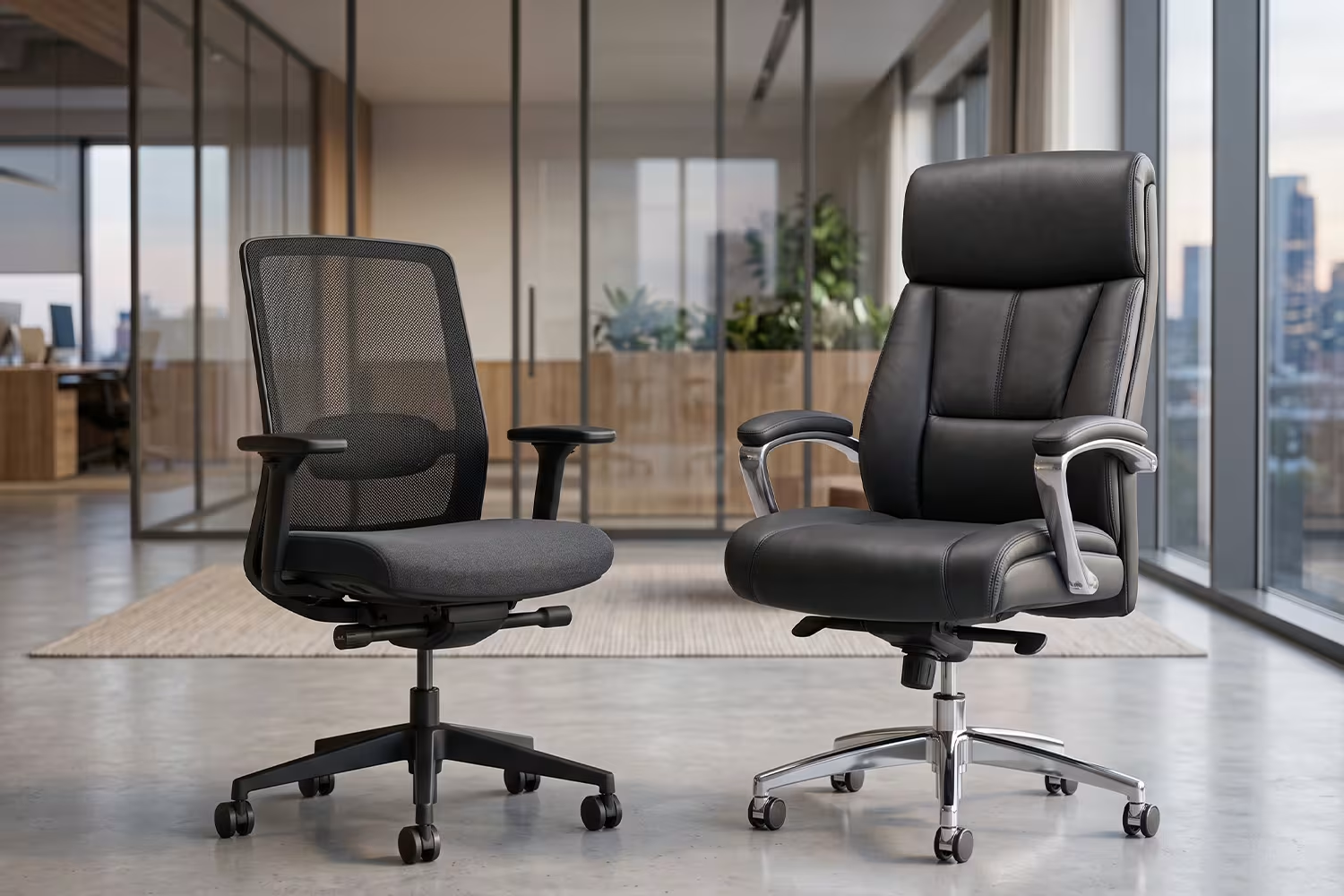
Choosing the right office chair isn’t just about looks — it affects posture, productivity, and how long your furniture actually lasts. If you’re setting up a new office or refreshing an old one, the two categories you’ll run into most are task chairs and executive chairs. Here’s how to tell them apart and pick the right one for your team.
What Is a Task Chair?
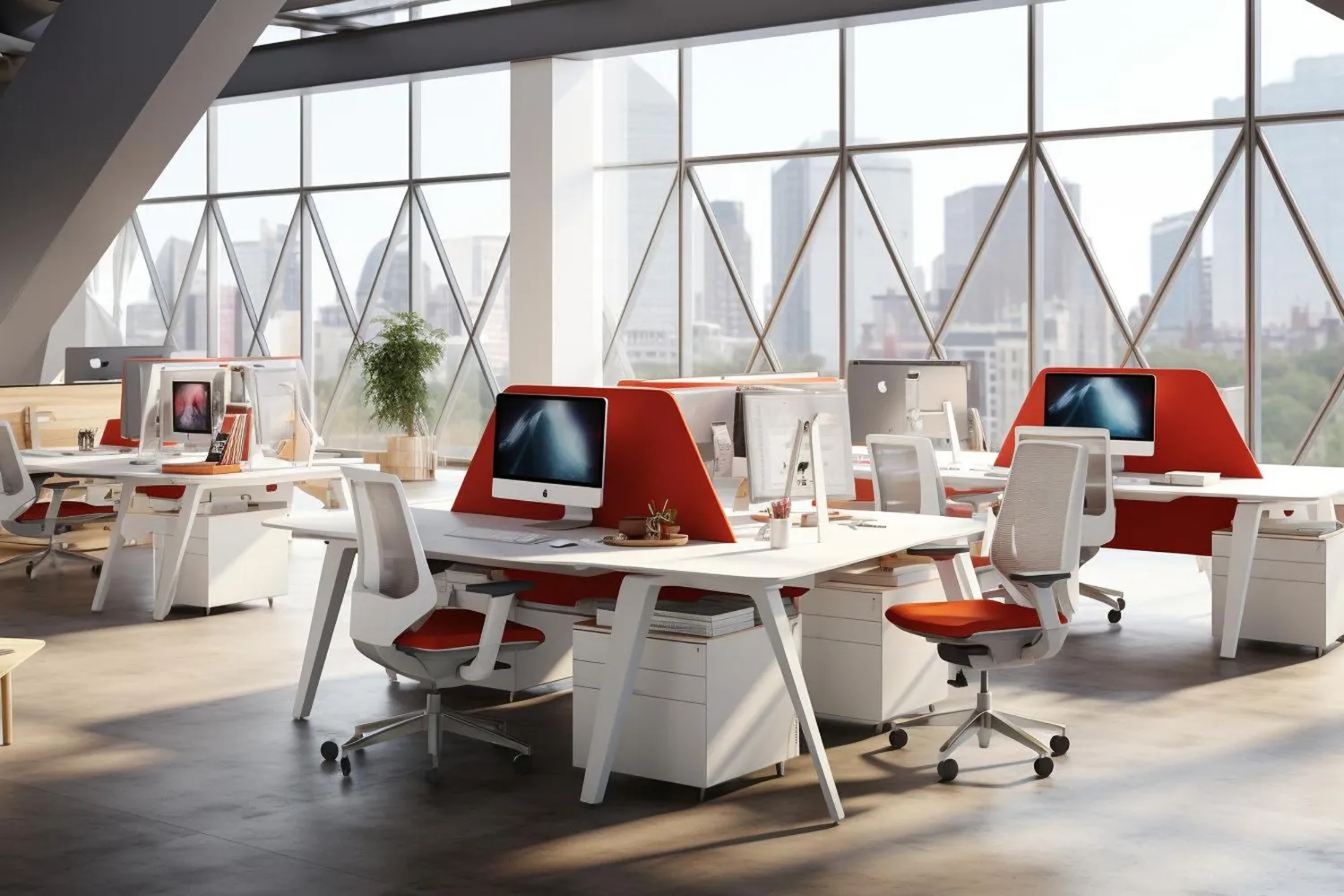
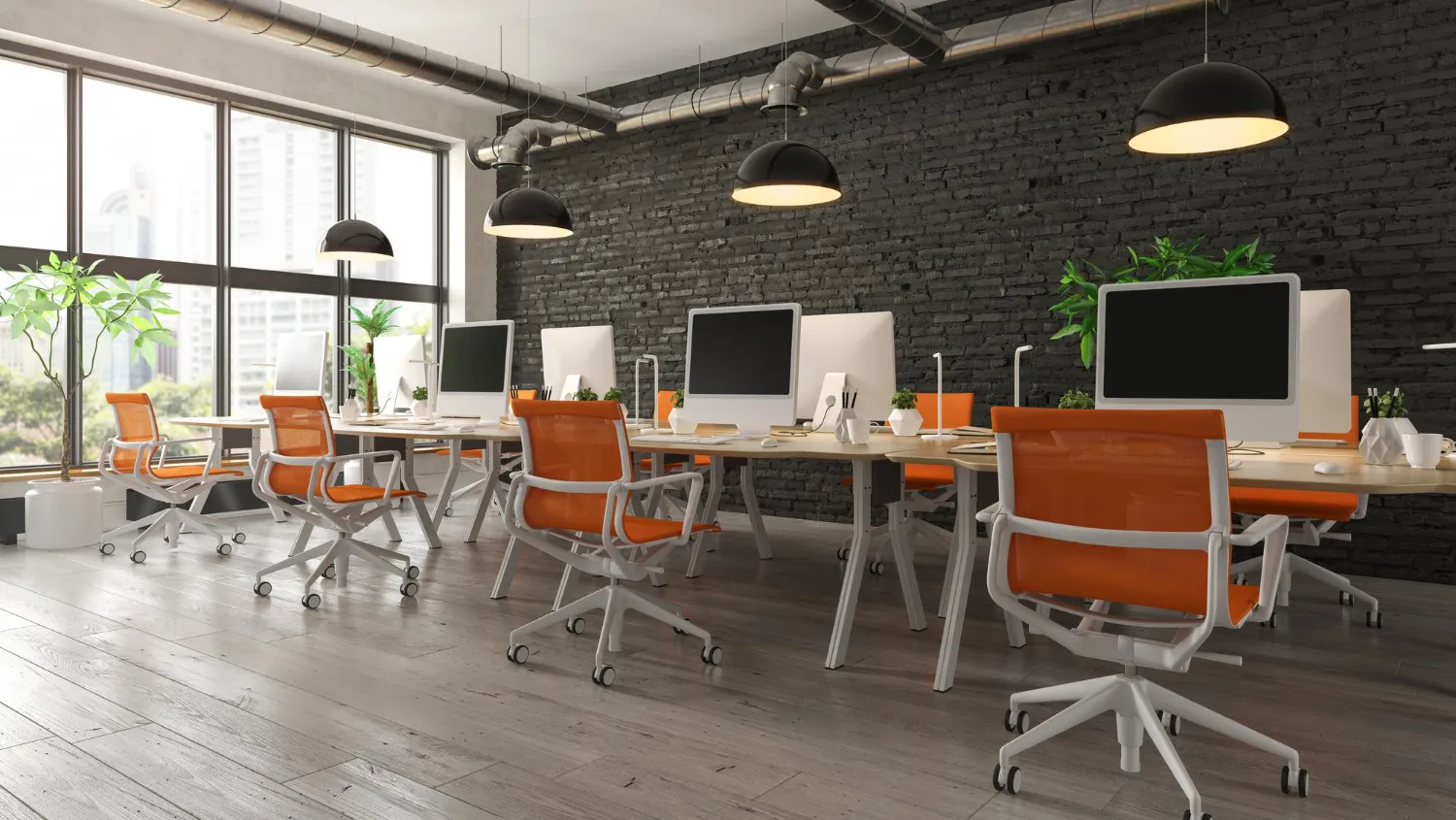
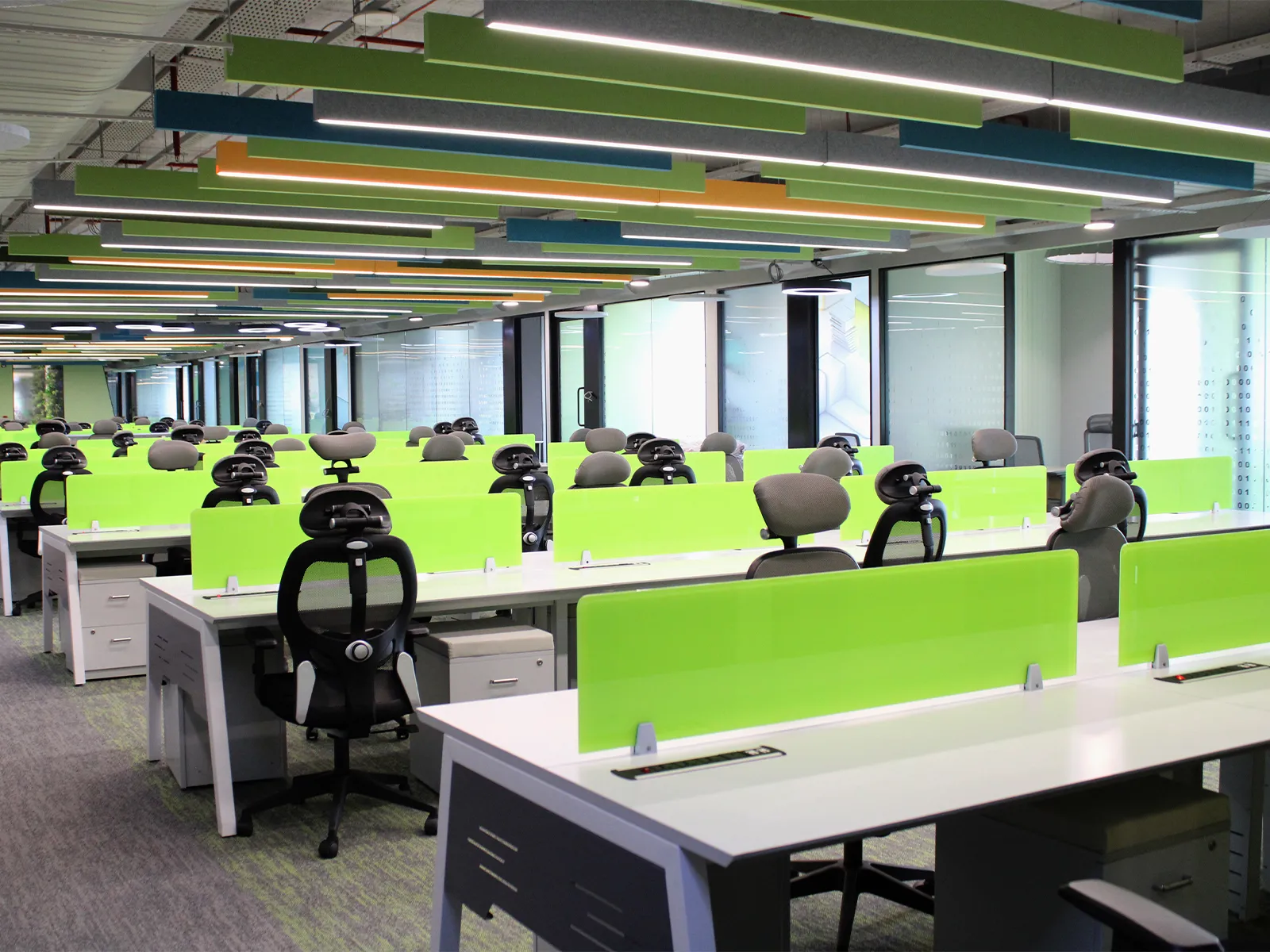
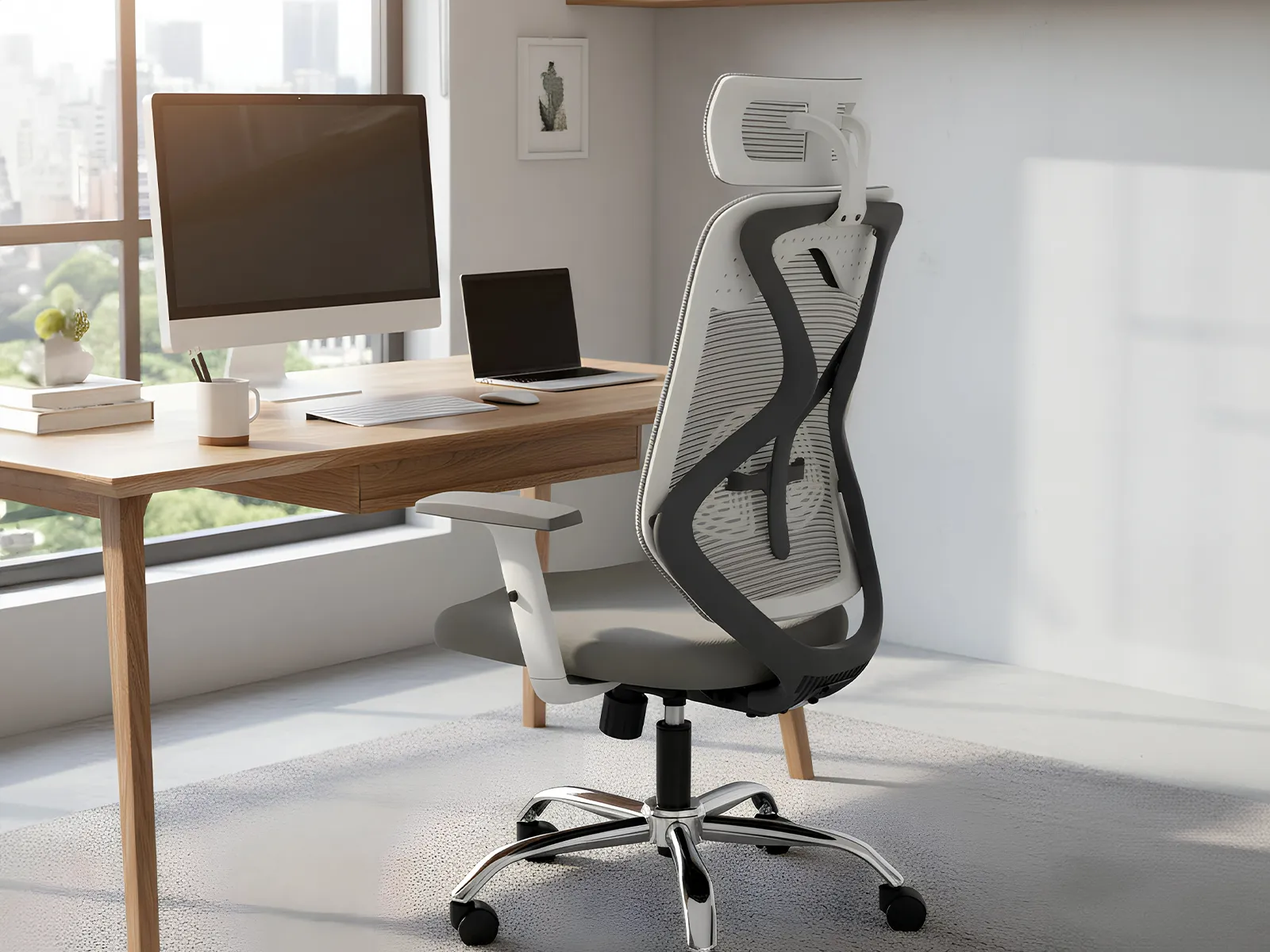
A task chair is built for everyday functional use — the kind of chair most employees sit in for 6–8 hours a day. Task chairs typically feature:
- Lightweight frames with mesh or breathable fabric upholstery
- Adjustable height, armrests, and lumbar support as standard
- Compact footprint, ideal for open-plan offices and hot-desking setups
- Price range: generally the more affordable of the two categories
Task chairs are designed around one goal: keep employees comfortable through long, repetitive workdays without taking up unnecessary space or budget.
What Is an Executive Chair?
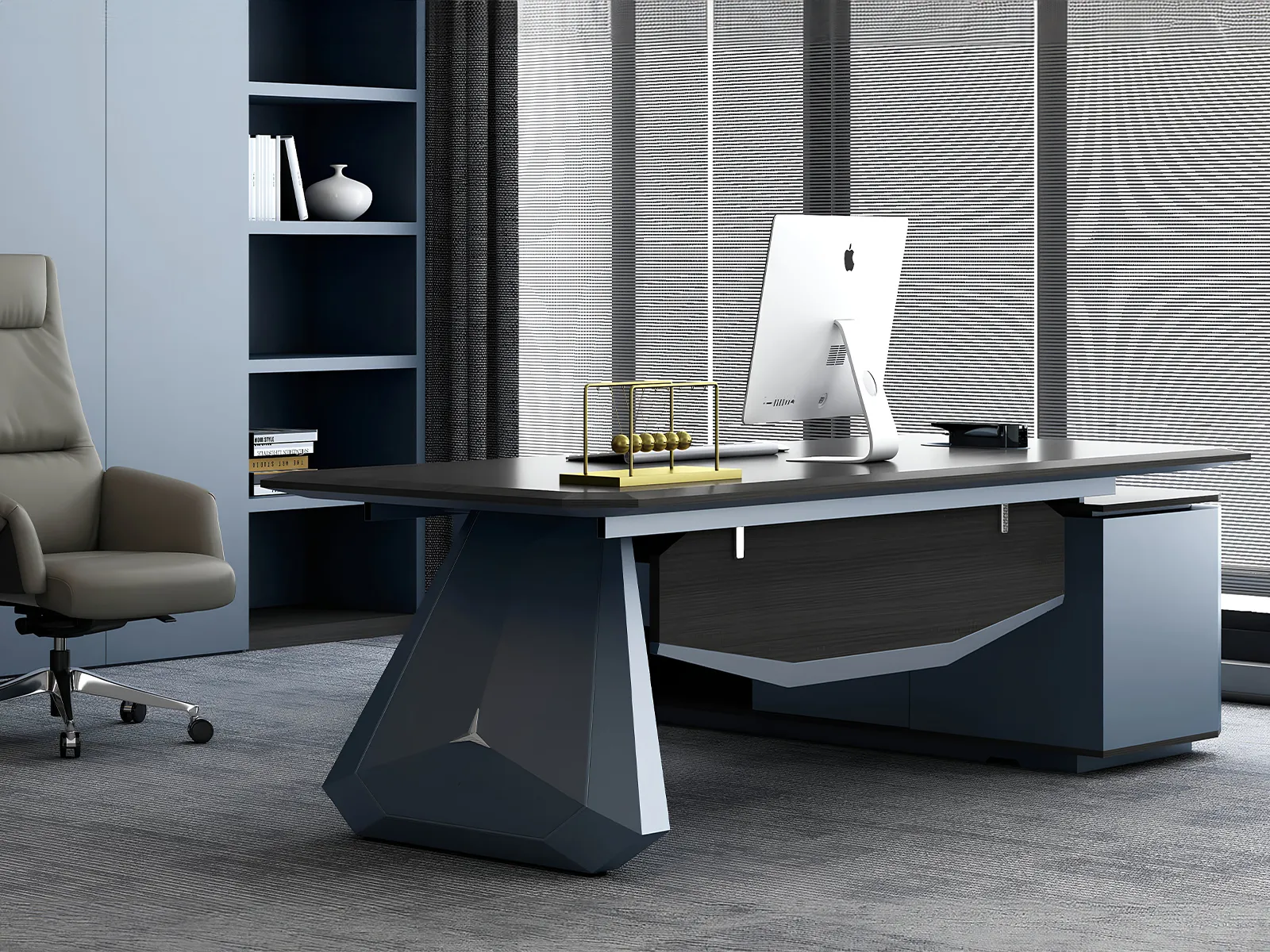
Executive chairs are built with a different priority — comfort combined with presence. You’ll usually find them in leadership offices, client-facing meeting rooms, or cabins. Common features include:
- High-back design with padded headrests
- Premium materials — leather or leatherette upholstery, polished metal or wooden armrests
- Reclining and tilt-lock mechanisms for extended comfort
- Price range: higher, reflecting materials and build quality
Executive chairs prioritize both ergonomics and visual authority — they’re as much about impression as comfort.
Comparison Table
| Feature | Task Chair | Executive Chair |
|---|---|---|
| Best for | Open-plan teams, hot-desking | Leadership, cabins, client rooms |
| Material | Mesh, fabric | Leather, leatherette, wood accents |
| Adjustability | High (height, lumbar, armrests) | Moderate to high (recline, tilt-lock) |
| Footprint | Compact | Larger |
| Price range | Budget to mid-range | Mid to premium |
| Visual impression | Functional | Premium/authoritative |
Which One Does Your Office Actually Need?
For open-plan or hot-desking teams: Task chairs make more sense — they’re cost-effective at scale, easy to standardize across dozens or hundreds of seats, and built for the exact use case of long focused work.
For leadership or client-facing offices: Executive chairs are worth the investment. A cabin or meeting room is often a client’s first physical impression of your company, and the chair contributes to that.
A hybrid approach works well for most growing companies: task chairs across the main floor, executive chairs limited to leadership and meeting spaces.
FAQ
Are executive chairs worth the extra cost?
For roles involving client meetings or extended leadership presence, yes — the durability and comfort justify the price. For general staff seating, task chairs deliver better value per seat.
Can task chairs be used for 8+ hour workdays?
Yes, provided the chair has proper lumbar support and height adjustability. A well-built task chair is designed specifically for full workday use.
Do executive chairs offer better ergonomics than task chairs?
Not necessarily — ergonomics depends on adjustability, not price tier. Some premium task chairs offer better ergonomic support than entry-level executive chairs.
Looking to furnish your office with the right mix of task and executive seating? Explore Polestar’s Seating range to find chairs built for Indian offices at every level.