A reception area is often the first — and sometimes only — physical space a client, candidate, or visitor sees before forming an opinion about your company. Furniture choices here carry more weight than in almost any other part of the office, because they communicate brand identity before a single conversation happens. Here’s how to get it right.
Why Reception Furniture Deserves Its Own Budget
It’s common for reception furniture to get deprioritized in favor of workstations and seating for employees — understandably, since those are used every day by the whole team. But the reception area is a disproportionately high-visibility space relative to its size, which makes it one of the more cost-effective places to invest in brand impression per square foot.
Core Elements of a Reception Area
1. The Reception Desk
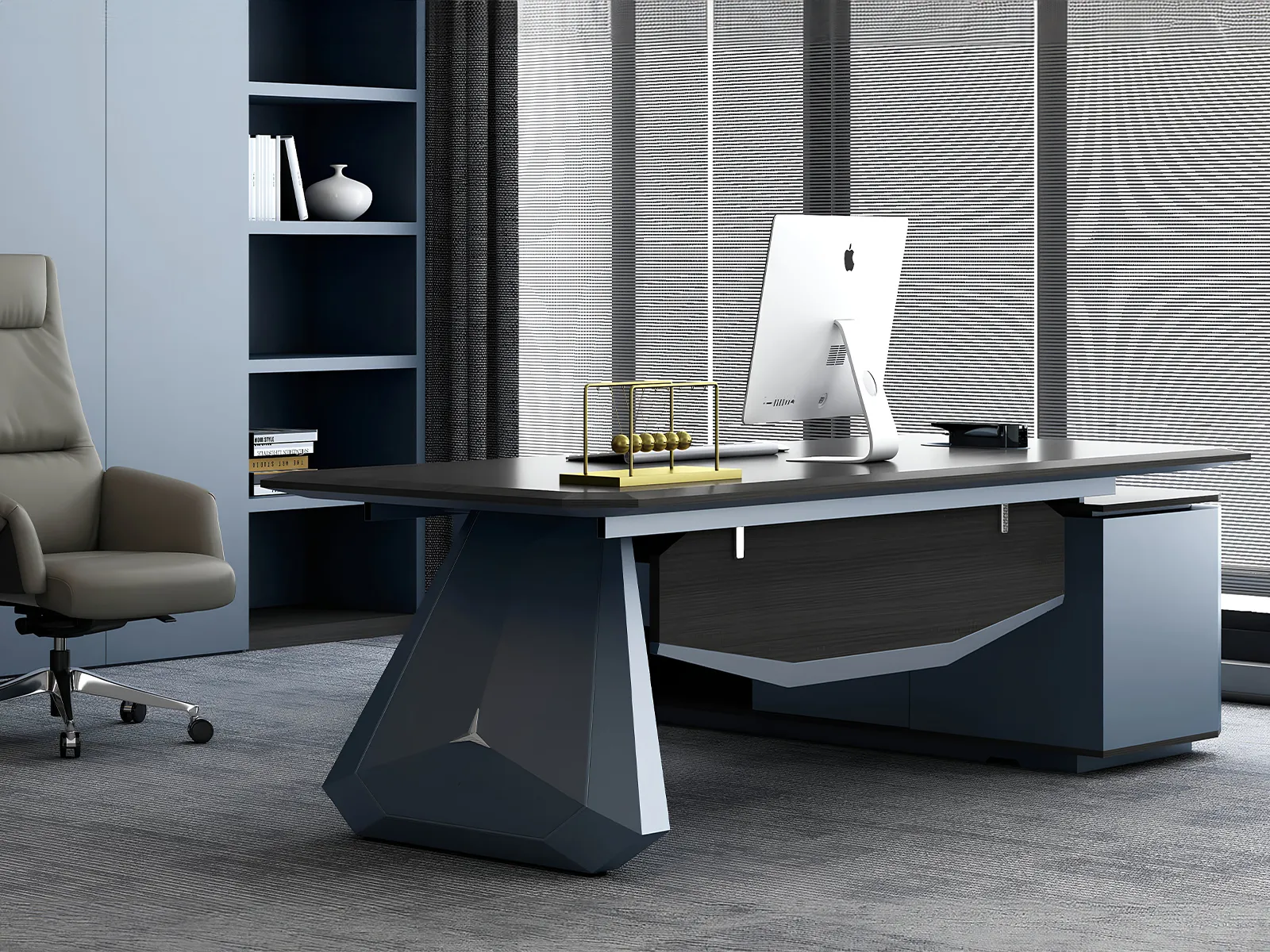
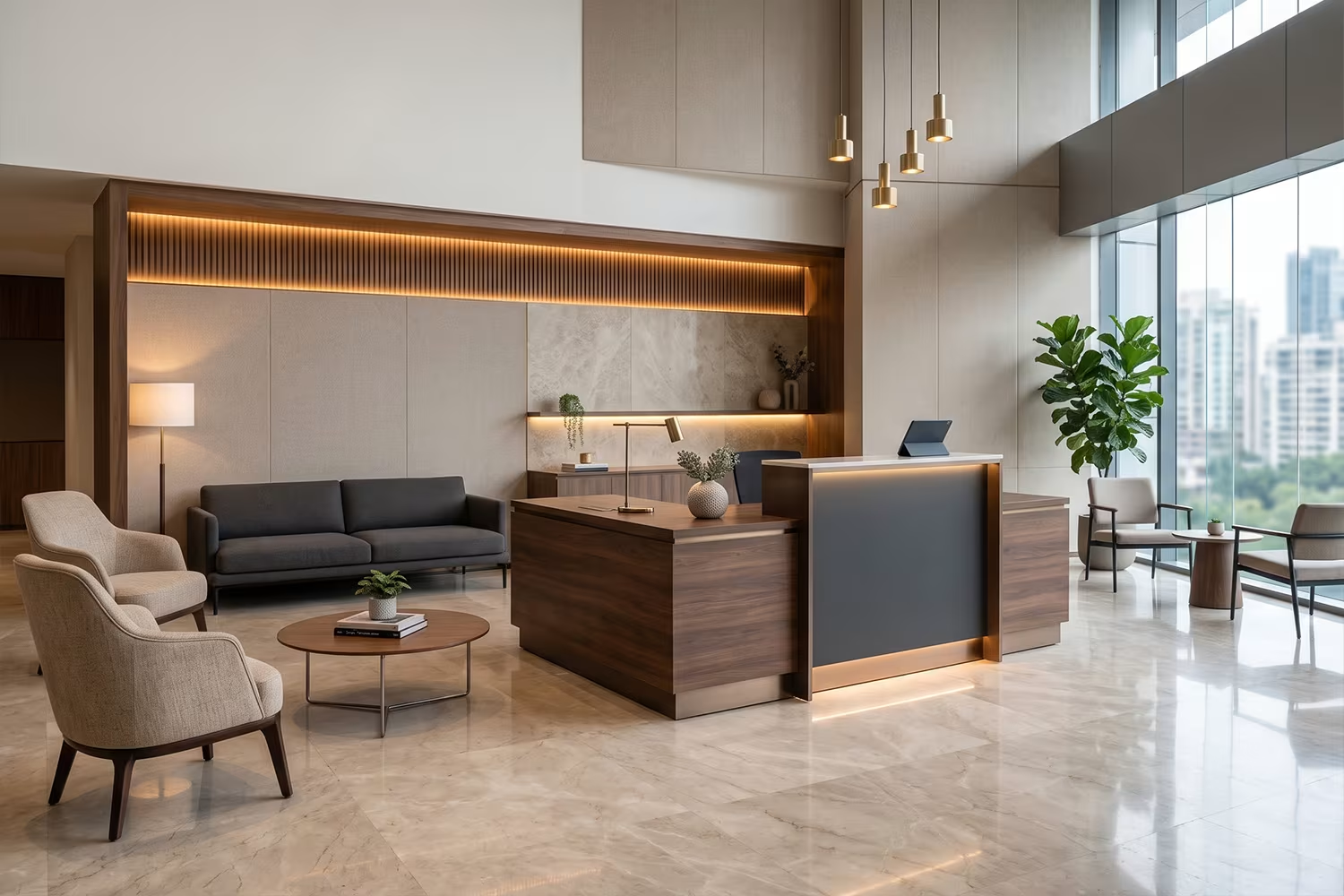
This is the visual anchor of the space. Key considerations include:
- Size relative to the space — oversized desks in small lobbies feel imposing; undersized desks in large lobbies feel incomplete
- Material and finish — should generally match or complement the broader office branding and color palette
- Functional storage — built-in drawers or cabinets for visitor logs, stationery, and daily essentials, ideally hidden from direct view
2. Waiting Area Seating
Visitor seating needs to balance comfort with durability, since it sees constant turnover of different people:
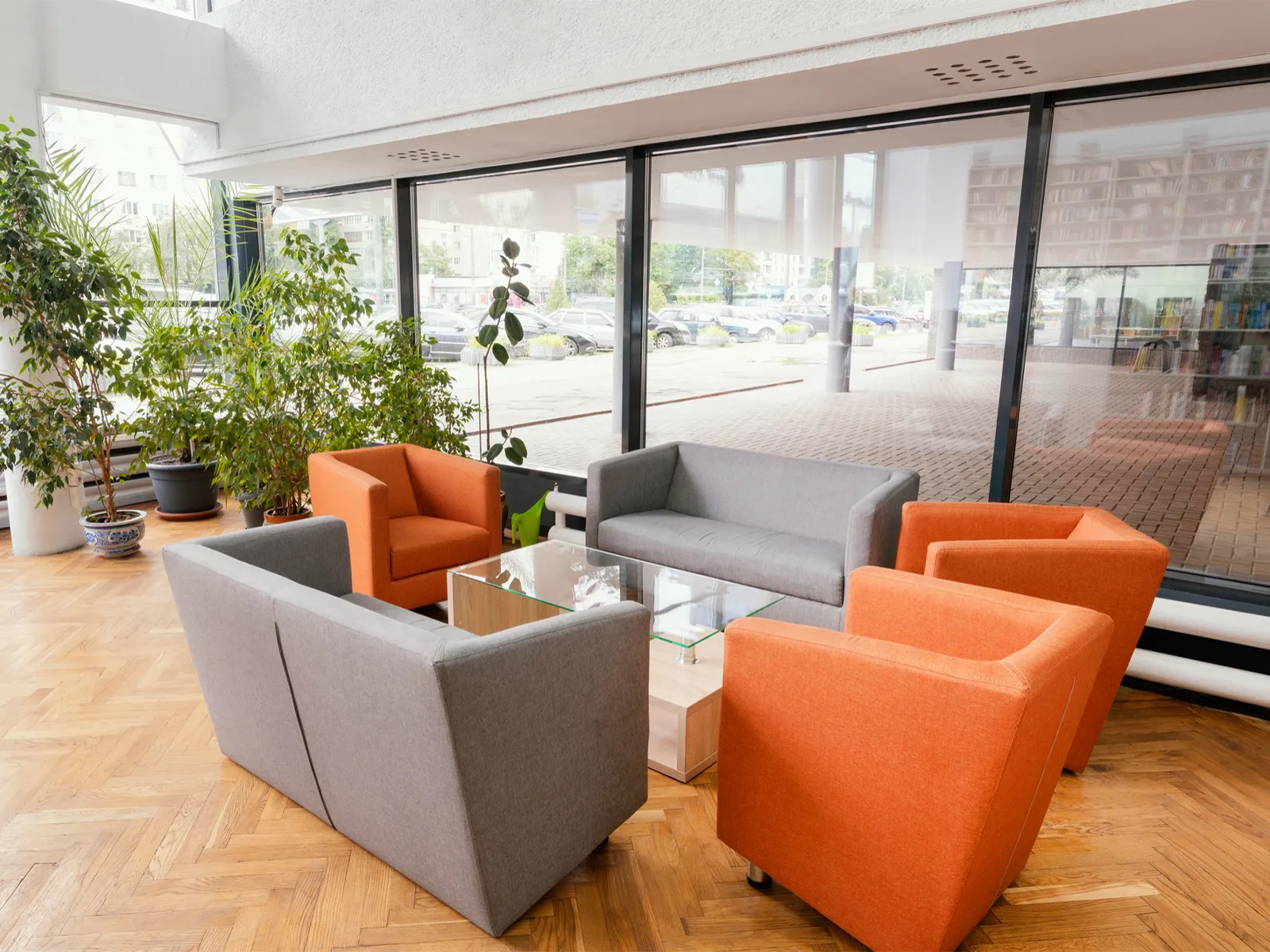
- Lounge chairs or sofas for a more premium, relaxed impression
- Compact bench seating for higher-traffic lobbies with limited space
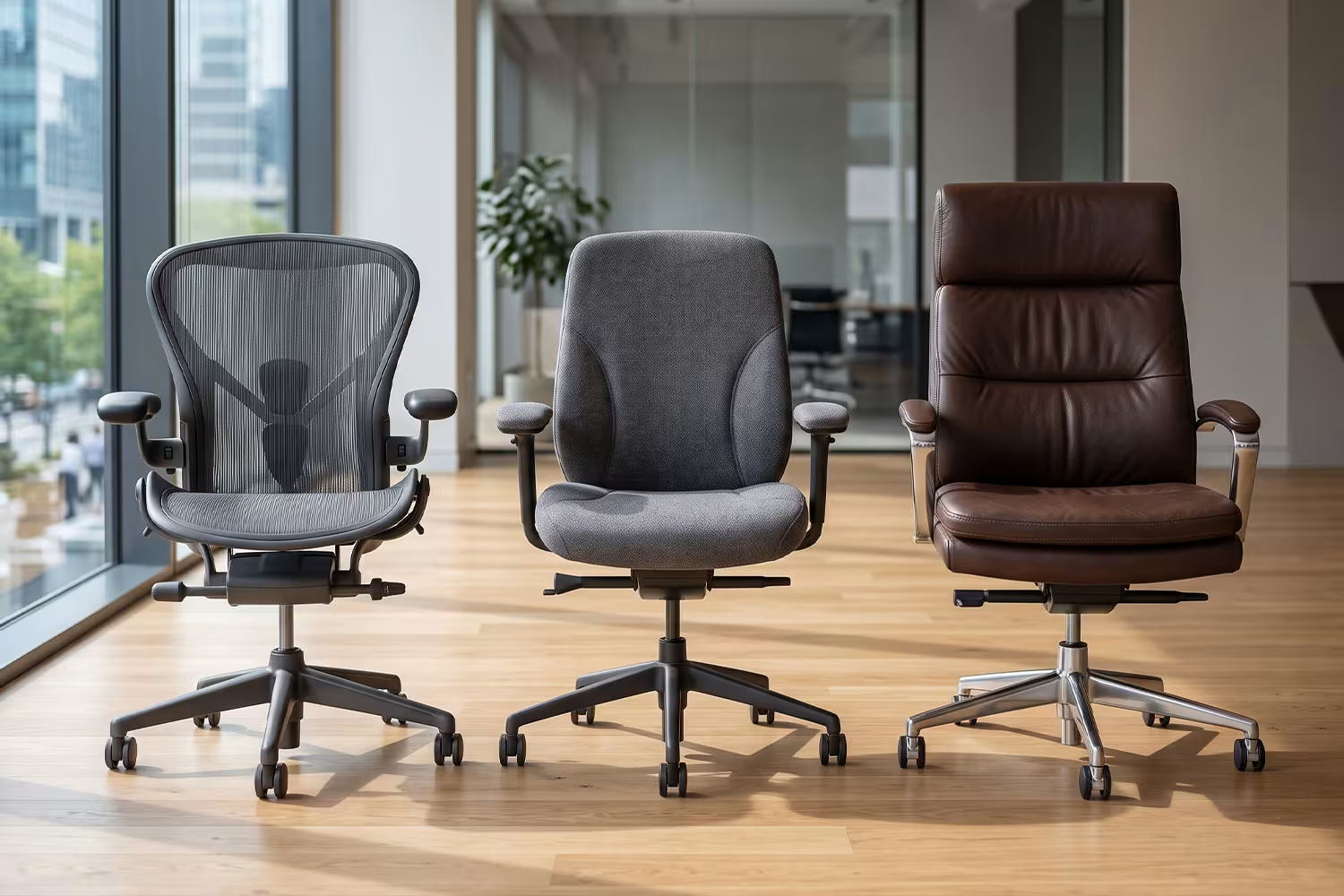
- Material choice matters — leather or leatherette tends to hold up better under frequent use than fabric in this specific context
3. Side/Coffee Tables
Small functional additions — a side table for setting down a bag or phone, or a coffee table with branded reading material — add polish without requiring much space or budget.
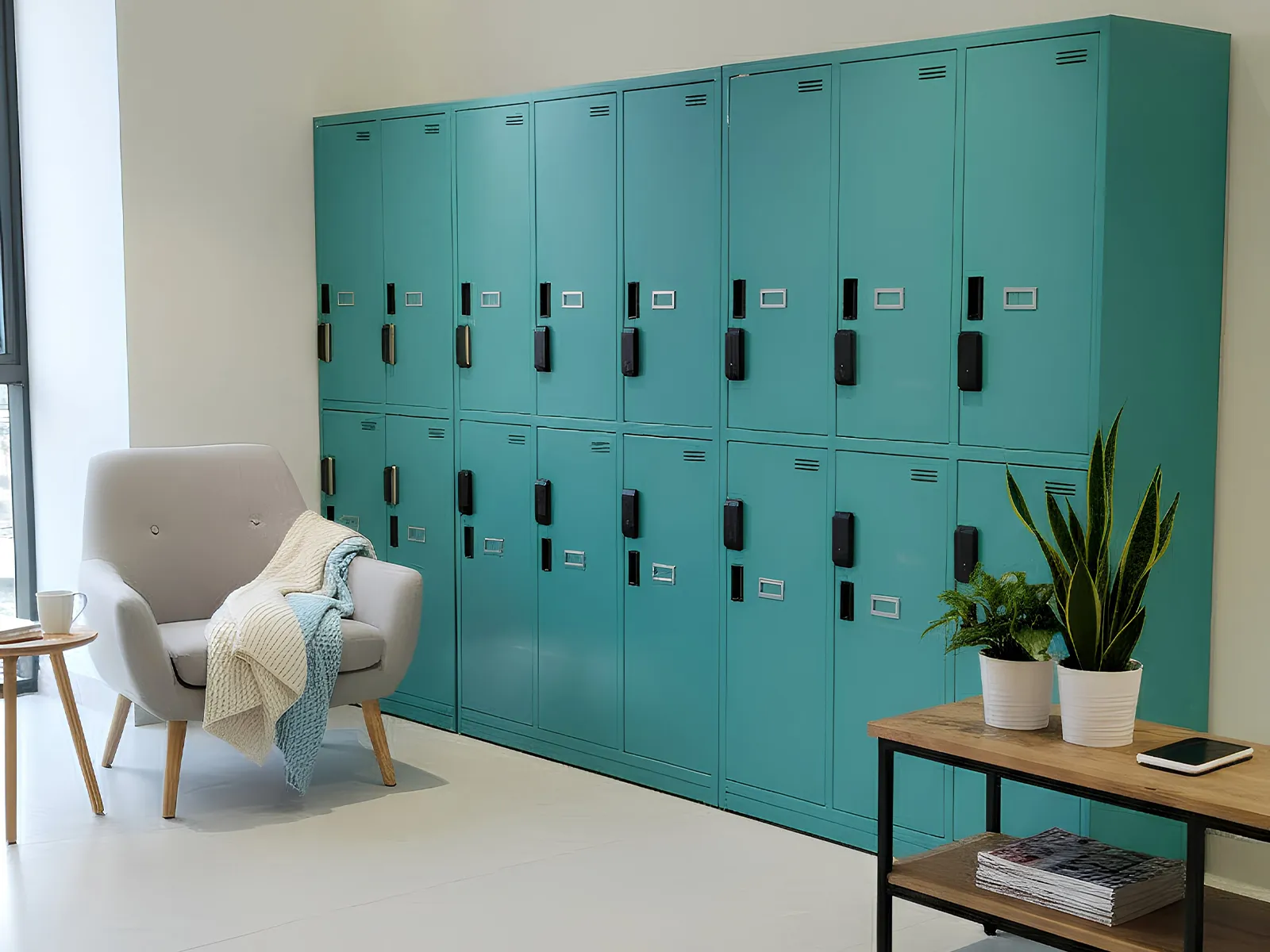
4. Storage and Organization
Reception areas often accumulate clutter — courier packages, visitor badges, stationery. A dedicated, visually discreet storage unit keeps the space looking intentional rather than improvised.
Matching Furniture to Company Size and Industry
- Startups/small offices: A compact reception desk paired with 2–3 lounge chairs is usually sufficient — the goal is clean and functional, not elaborate
- Mid-size companies: A slightly larger desk with a small waiting area (4–6 seats) supports more frequent visitor traffic
- Client-facing industries (IT, consulting, finance): Reception furniture should lean toward premium materials, since visitor perception directly influences business outcomes
Common Mistakes to Avoid
- Mismatched style between reception and the rest of the office — creates a disjointed first impression
- Overcrowding the space — too much furniture in a small lobby feels cluttered rather than welcoming
- Choosing fabric seating for high-traffic reception areas — wears out faster than leather/leatherette under constant visitor use
- Ignoring storage needs — leads to visible clutter that undermines an otherwise well-designed space
FAQ
What's the most important piece of reception furniture to invest in?
The reception desk typically has the most visual impact, since it’s the first object visitors interact with and sets the tone for the rest of the space.
What seating material works best for waiting areas?
Leather or leatherette generally holds up better than fabric in reception areas due to frequent, varied use by different visitors throughout the day.
How much reception seating does a small office need?
Two to three seats are usually sufficient for small offices with limited visitor traffic, scaling up to four to six seats for mid-size companies with more frequent visitors.
Ready to upgrade your office’s first impression? Explore Polestar’s Seating range for reception and lounge furniture suited to every office size.