Conference rooms serve two very different purposes at once — they need to work functionally for internal team discussions, and they need to hold up as a space where clients and partners form impressions of your company. Getting the table, chairs, and layout right makes the room work for both
Choosing the Right Conference Table
Table Shape
- Rectangular tables — the most common choice, efficient for larger groups and formal meetings
- Round or oval tables — better for smaller, more collaborative discussions where equal visibility matters
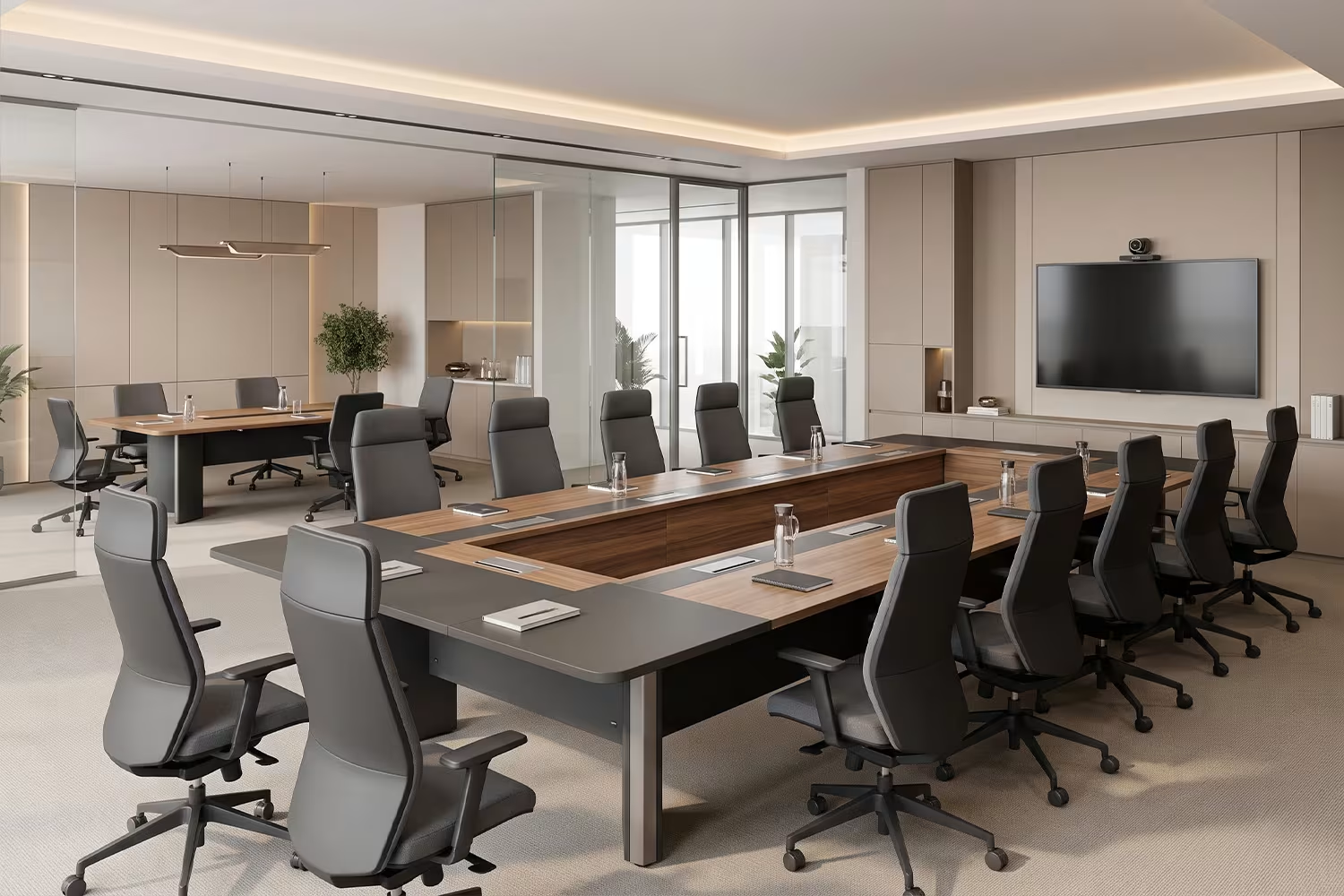
- Boat-shaped tables — a rectangular variation that improves sightlines for video calls, increasingly relevant for hybrid meetings
Table Size by Room Capacity
As a general guide:
- 4–6 person rooms: compact rectangular or round tables, roughly 5–6 ft long
- 8–10 person rooms: standard rectangular tables, roughly 8–10 ft long
- 12+ person rooms: boardroom-style tables, often modular so they can be reconfigured or split for smaller meetings
Choosing Conference Room Chairs
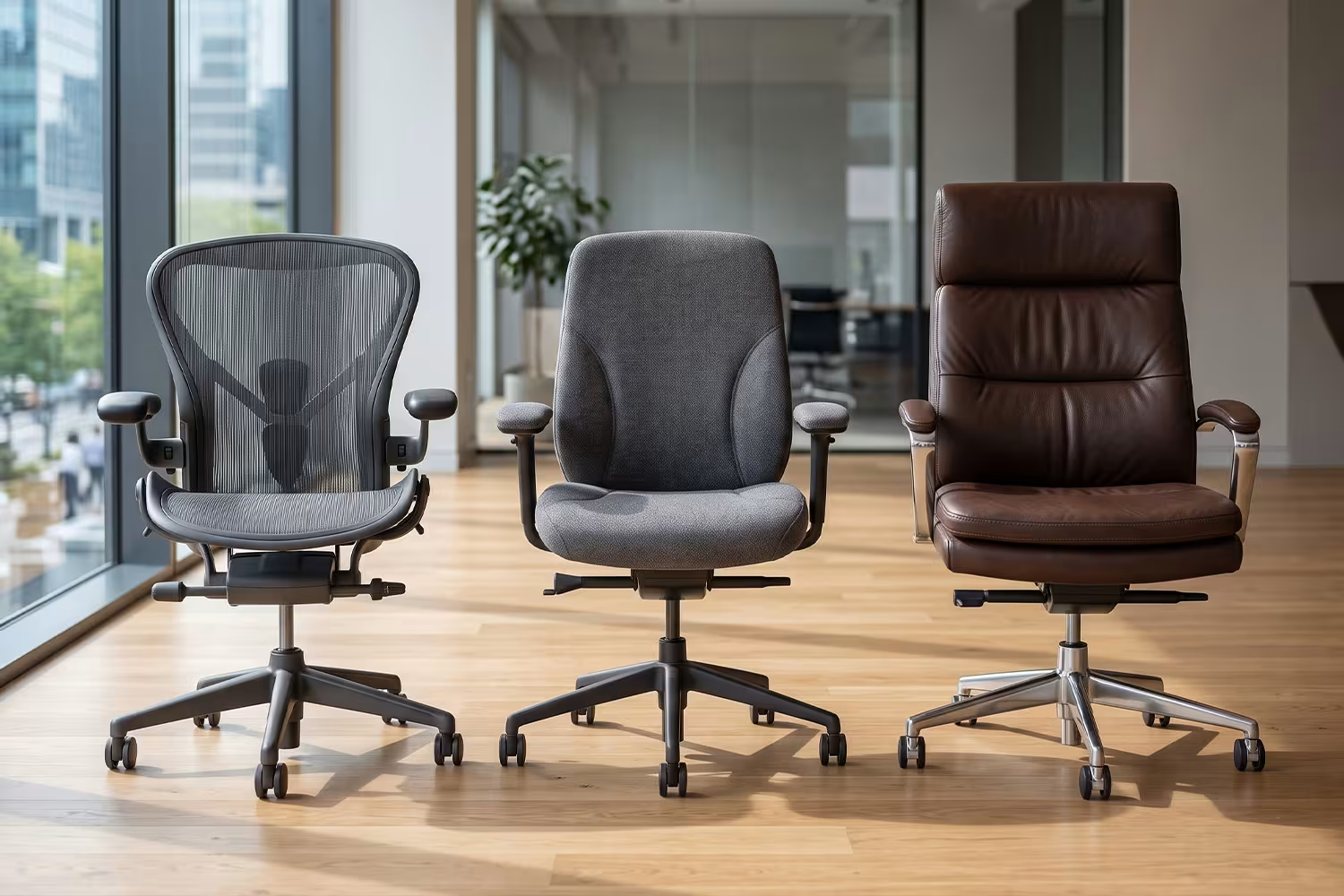
Conference room chairs need to balance comfort for extended meetings with a more formal visual presence than standard task chairs:
- Mid-back or high-back chairs generally strike the right balance between comfort and a polished look
- Armrests matter more here than in task seating, since meetings often involve note-taking or laptop use for extended periods
- Consistent styling across all chairs in the room — mismatched chairs are a common and easily avoidable visual misstep
- Material — leather or leatherette tends to suit formal boardrooms, while fabric can work well for more casual, internal-only meeting spaces
Layout Considerations
Walkway and Clearance Space
Leave at least 3 ft of clearance around the table for chairs to pull out and people to move comfortably, especially in rooms that double as walkthrough spaces.
Technology Integration
Modern conference rooms increasingly need furniture that accommodates:
- Cable management built into the table for laptops and shared screens
- Clear sightlines to a central display or screen from every seat
- Power outlets accessible from seated positions, not just along the walls
Flexible/Modular Setups
For offices with multiple meeting needs — large all-hands vs. small client discussions — modular table systems that can be split or reconfigured offer far more long-term value than a single fixed table.
Matching Furniture to Meeting Room Purpose
- Client-facing boardrooms: Prioritize premium materials — leather chairs, polished table finishes — since this room often carries more weight in external perception than any other office space
- Internal team meeting rooms: Functional, comfortable furniture matters more than premium finish; fabric chairs and simpler table designs are usually sufficient
- Multi-purpose/training rooms: Modular, lightweight furniture that can be rearranged quickly supports a wider range of use cases
Common Mistakes to Avoid
- Overcrowding a small room with too large a table — leaves no space to move and feels cramped
- Mismatched chairs — undermines an otherwise well-designed room
- Ignoring cable management — leads to visible tangles and a cluttered appearance during meetings
- Fixed furniture in multi-purpose rooms — limits flexibility as meeting needs change
FAQ
What size conference table do I need for a 10-person room?
A standard rectangular table around 8–10 ft long typically accommodates 8–10 people comfortably, depending on room dimensions and chair spacing.
Should conference room chairs match the reception area furniture?
They don’t need to match exactly, but maintaining a consistent overall style and material quality across client-facing spaces creates a more cohesive brand impression.
Is a modular conference table worth the extra cost?
For offices that use meeting rooms for varying group sizes, modular tables typically offer better long-term value than purchasing multiple fixed tables for different room configurations.
Setting up or upgrading your meeting spaces? Explore Polestar’s Seating range for conference room chairs built for both comfort and client-facing impression.