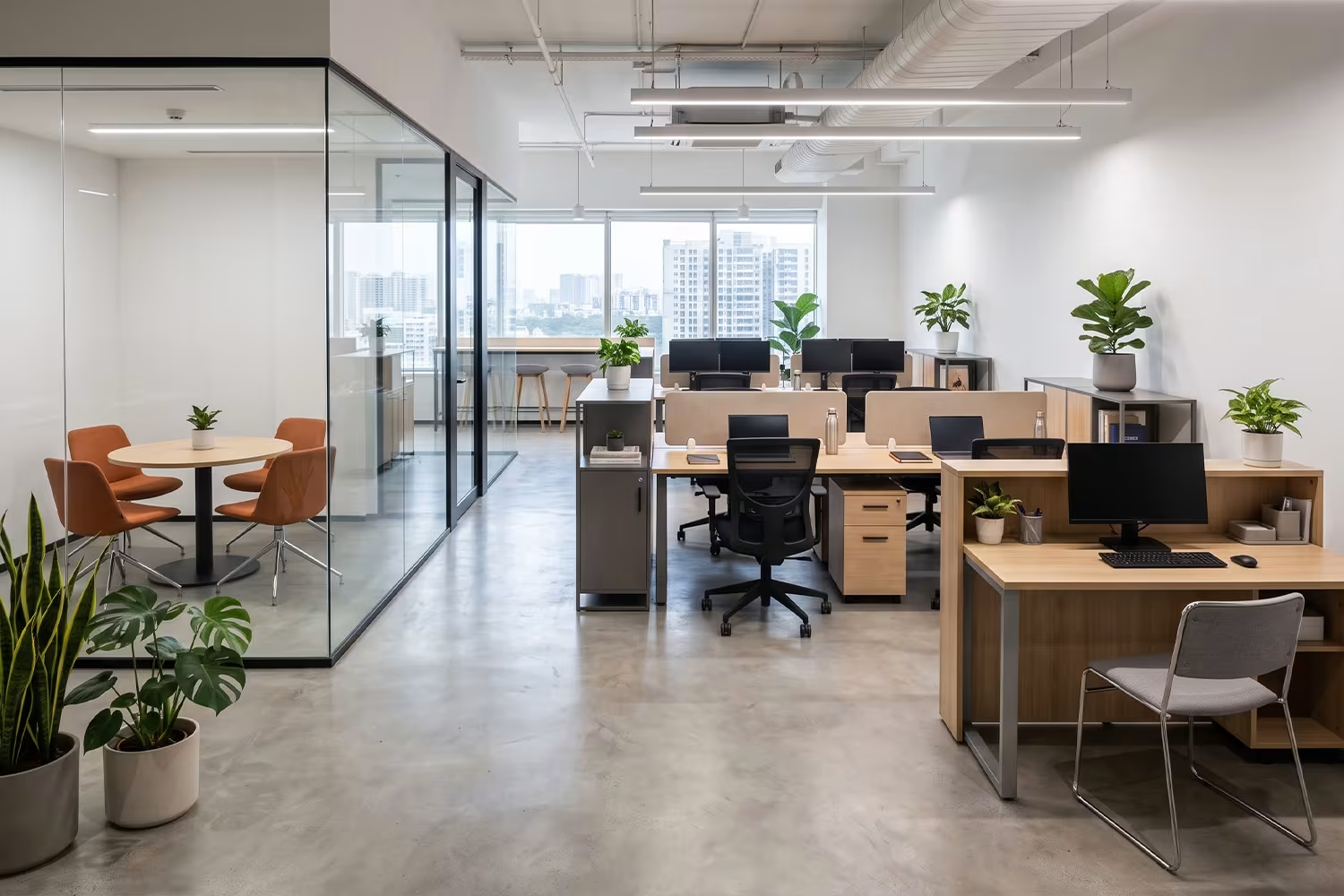
Setting up an office is one of the first real infrastructure decisions a startup makes — and furniture is usually where budgets get stretched thin or overspent unnecessarily. This guide breaks down what to prioritize, how to budget by growth stage, and whether buying, leasing, or renting makes more sense for your situation.
What to Prioritize First
Not all furniture categories deserve equal budget. In order of priority:
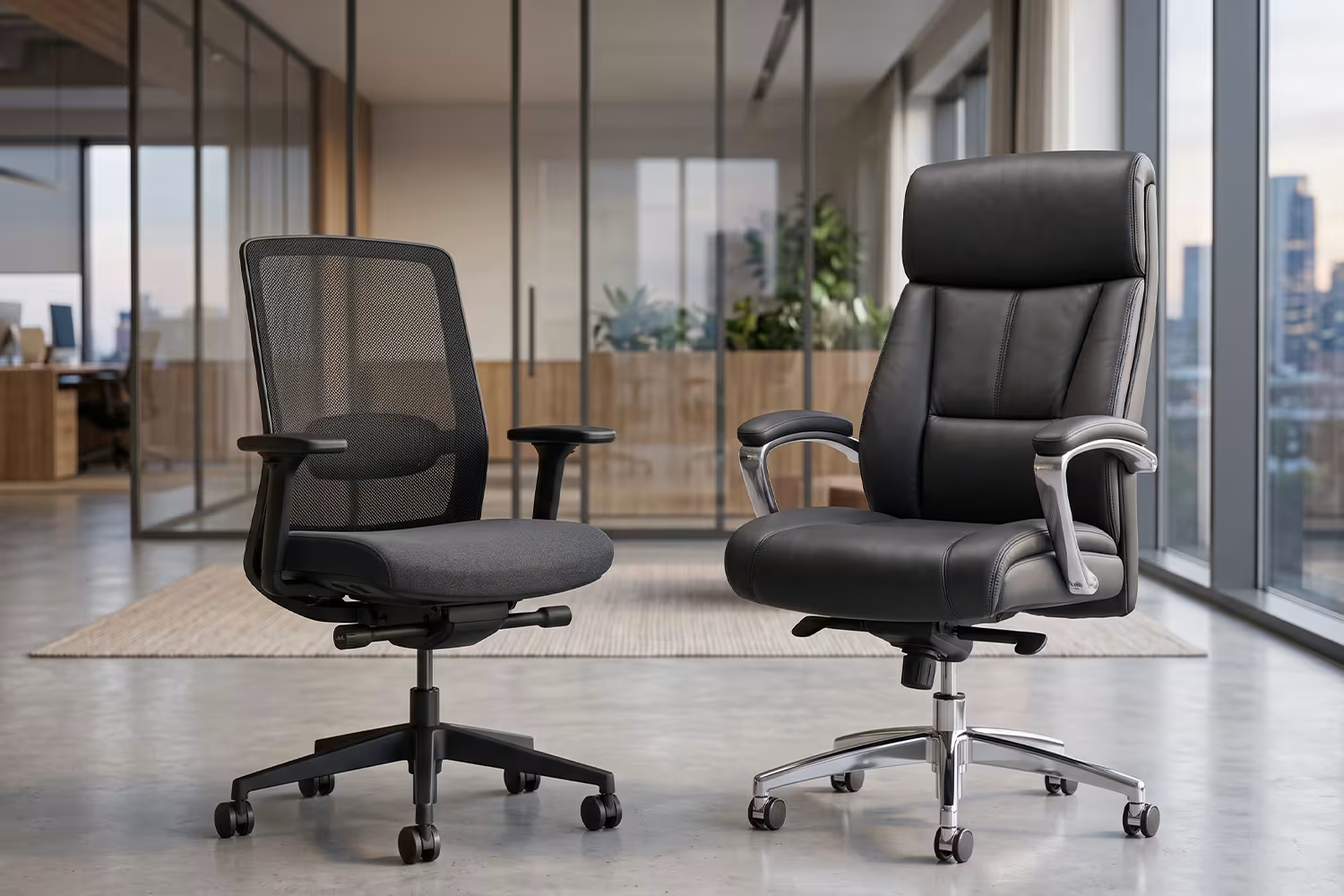
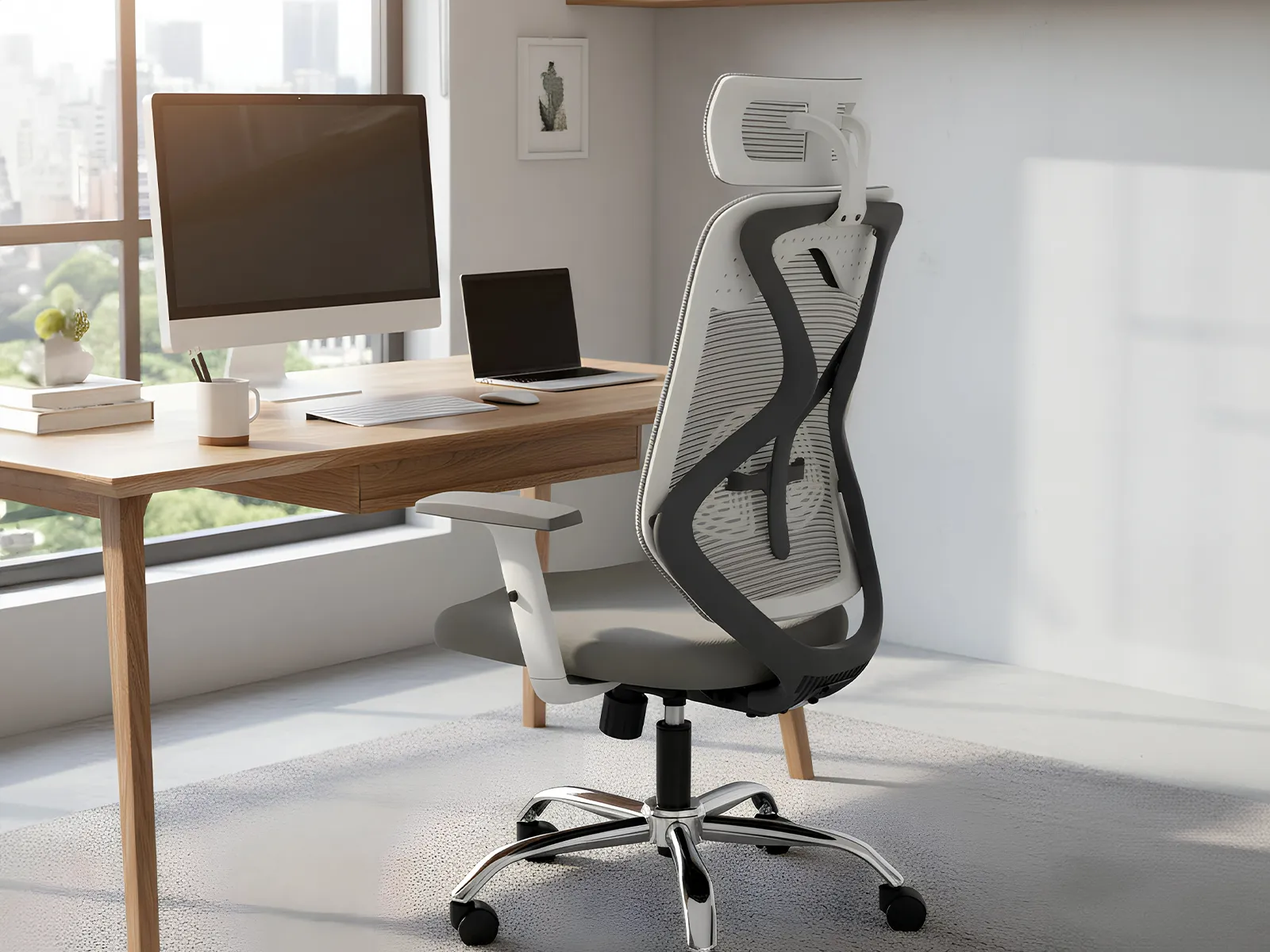
- Seating — the single biggest factor in daily comfort and long-term health; don’t cut corners here even on a tight budget
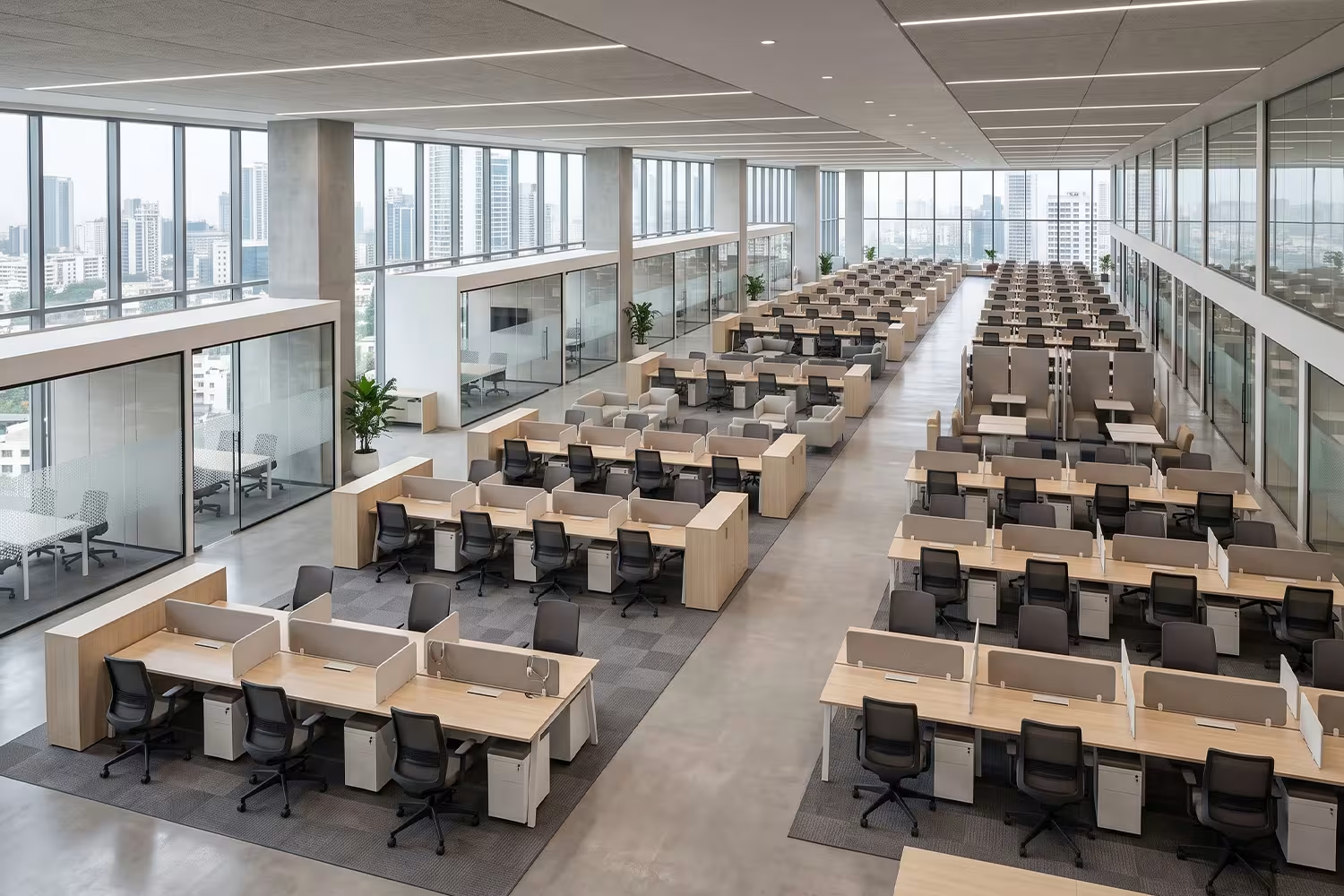
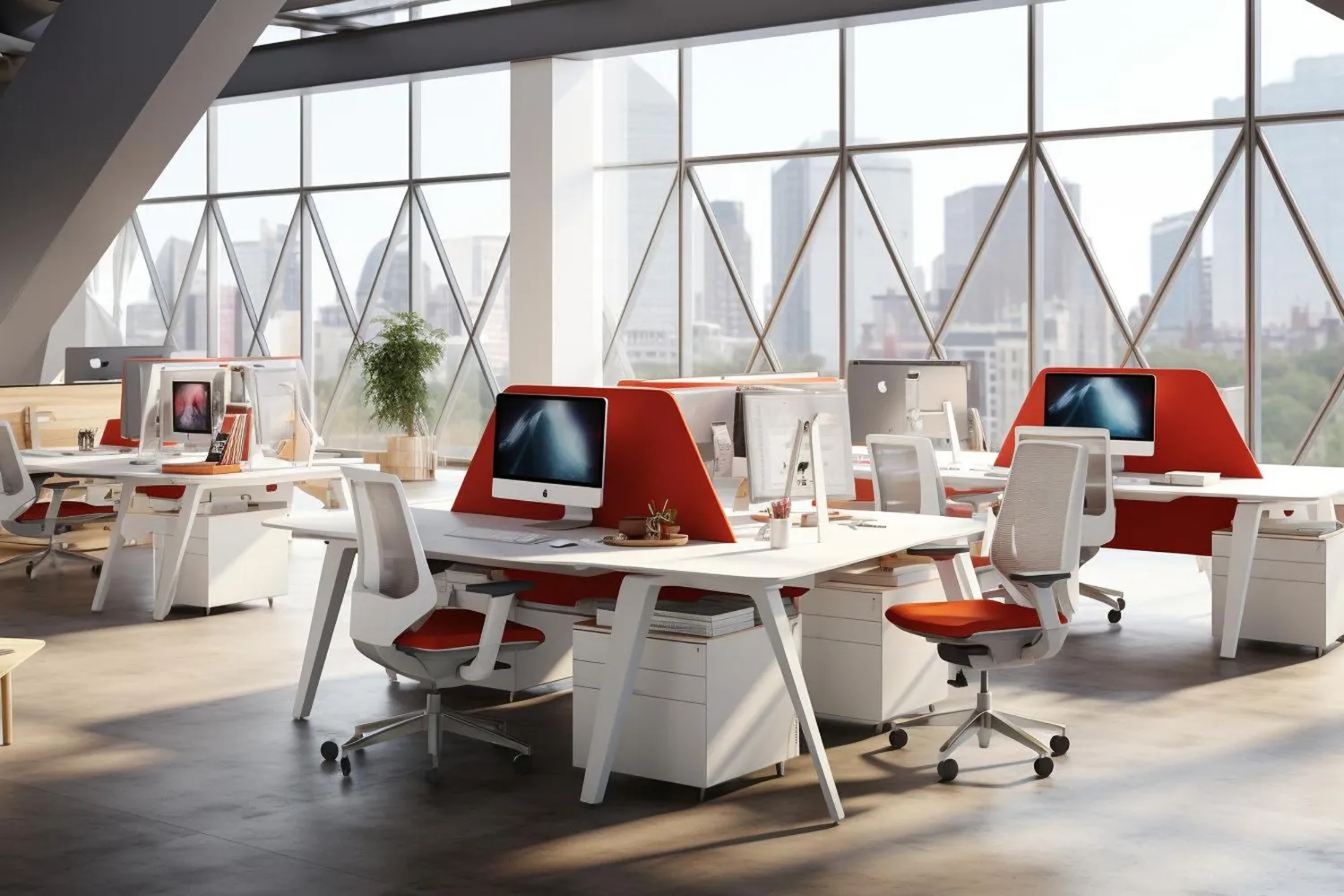
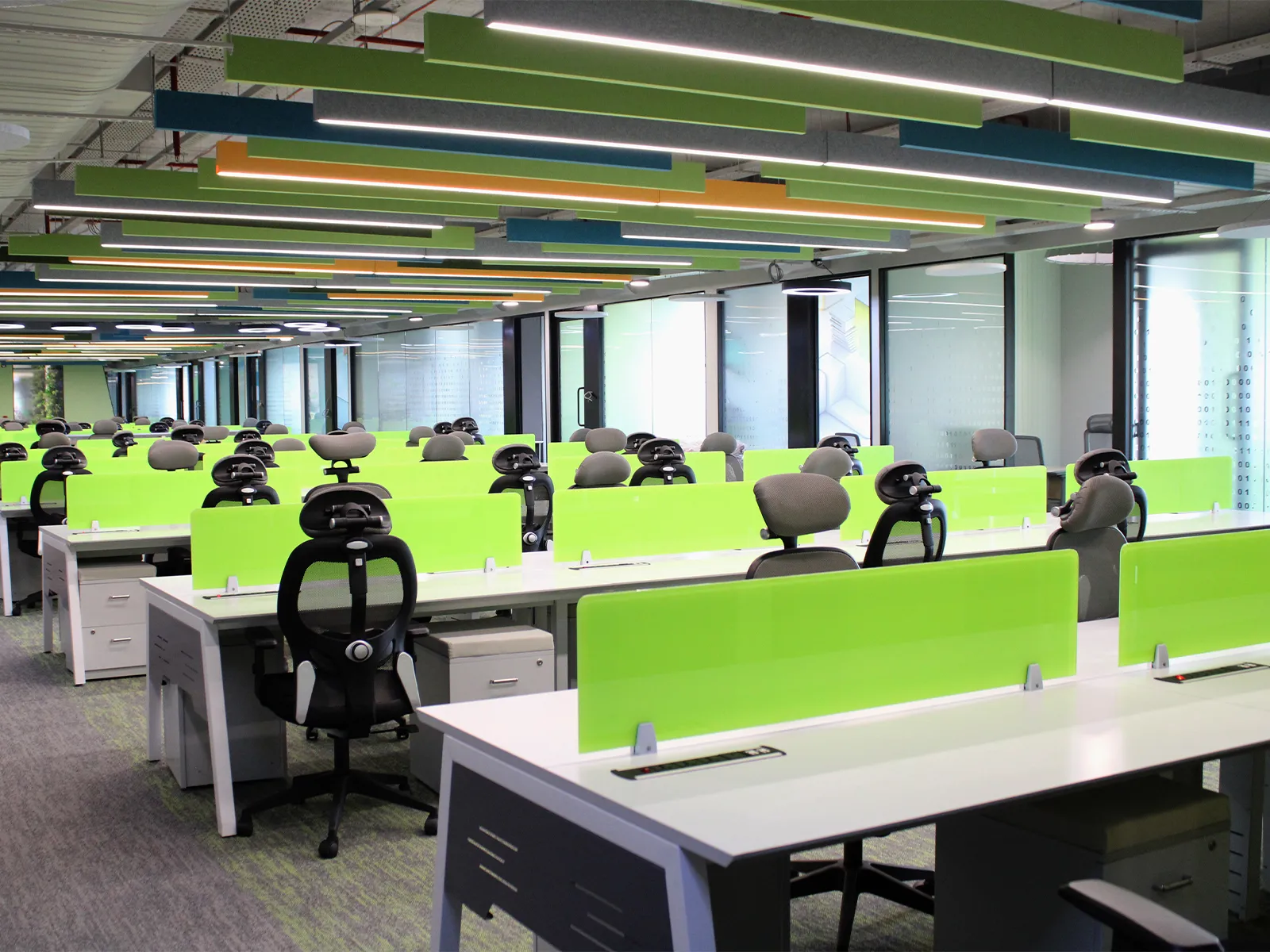
- Desks/workstations — functional, modular options over statement pieces early on
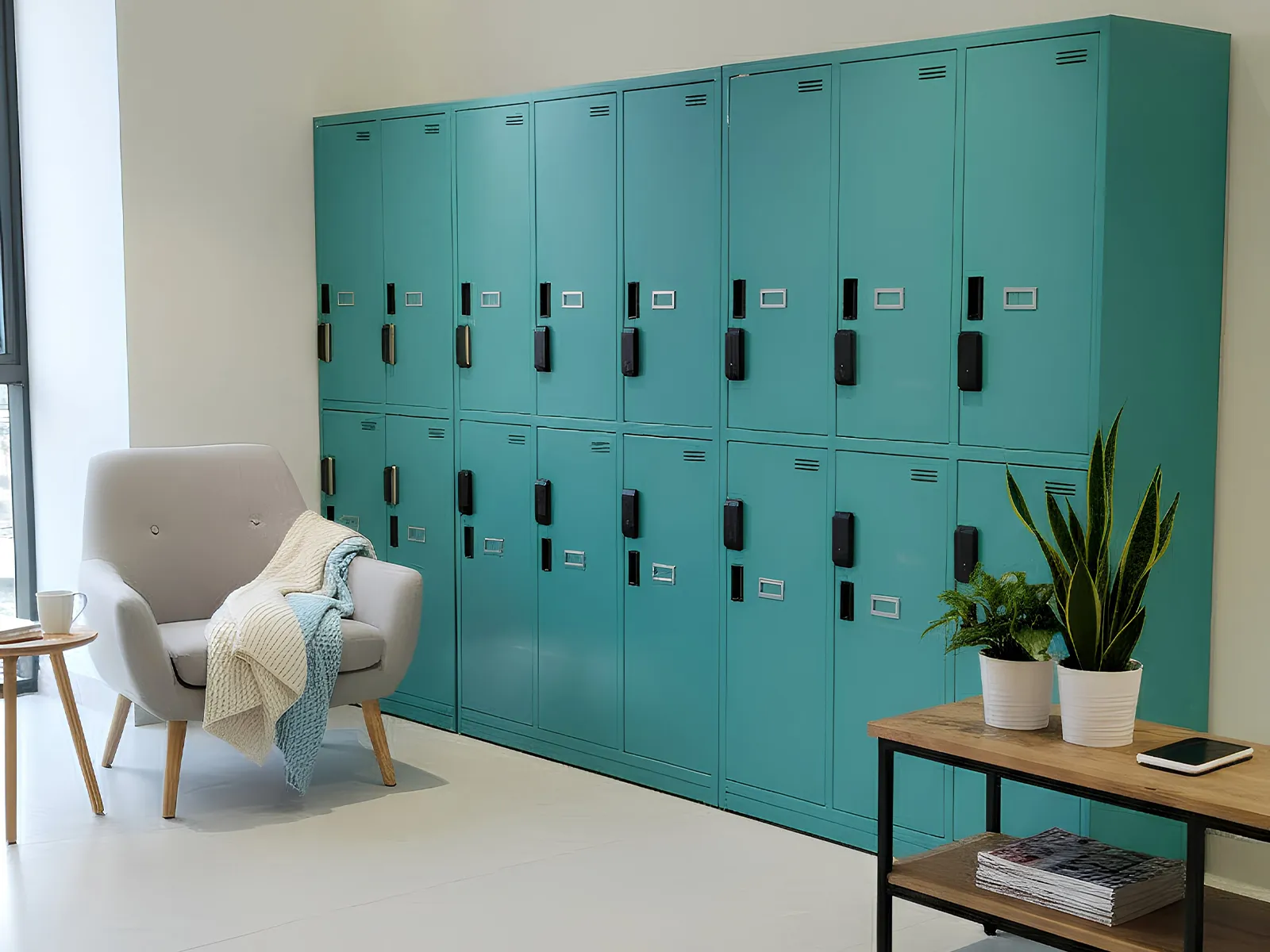
- Storage — enough to stay organized, but scalable rather than over-purchased upfront
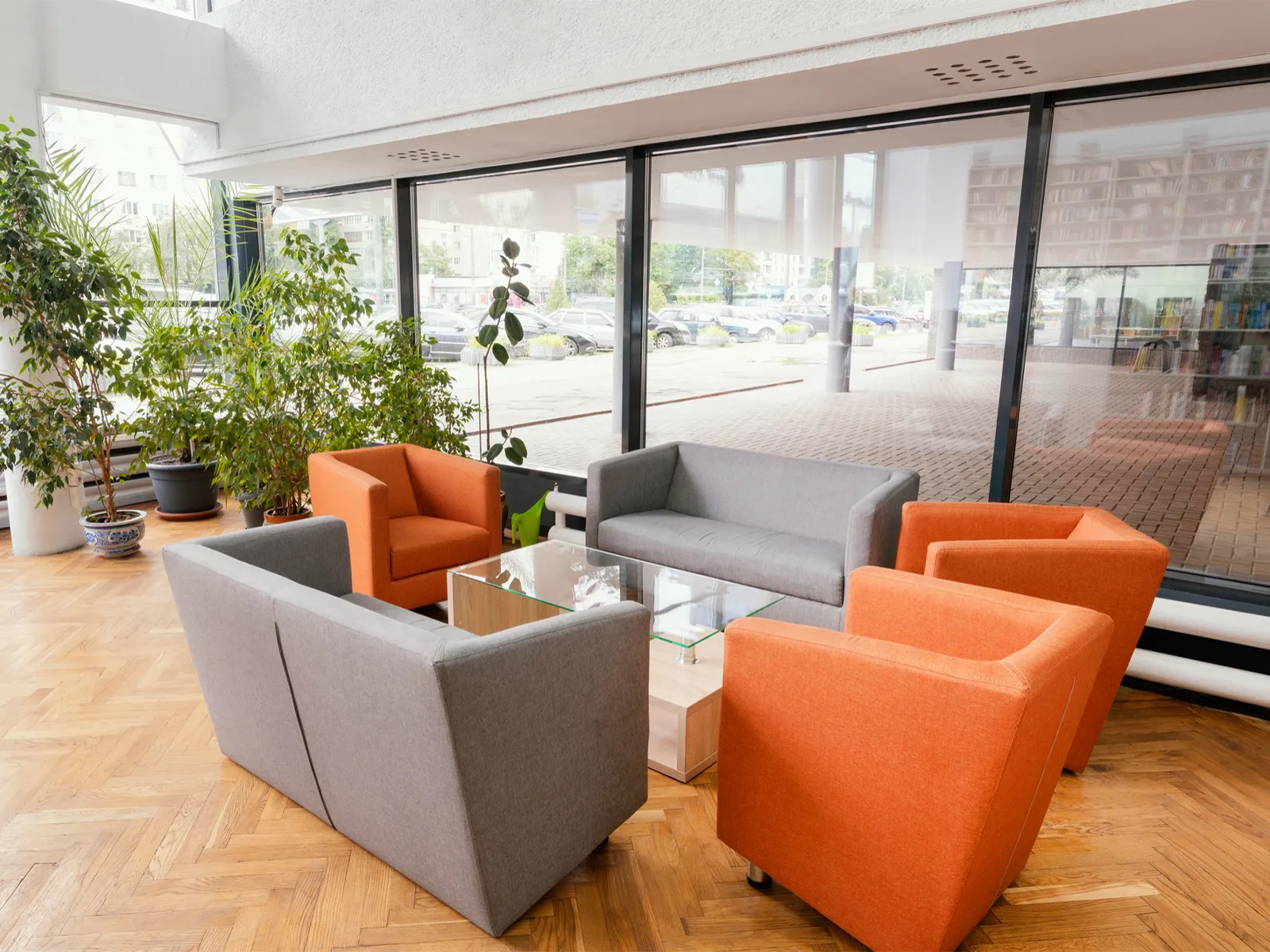
- Aesthetic/lounge furniture — nice to have, but should come after the essentials are covered
Budget Tier Breakdown
Bootstrap Budget Setup
Focus entirely on functional basics — ergonomic task chairs, simple modular desks, and minimal storage. Avoid premium finishes or customization at this stage; the goal is a comfortable, working office without overcommitting cash
Mid-Range / Growth-Stage Setup
Once revenue is more predictable, this is the stage to invest in slightly better ergonomics, some cabin/meeting room furniture for client visits, and modest branding touches (reception area, meeting room finishes).
Premium / Funded-Stage Setup
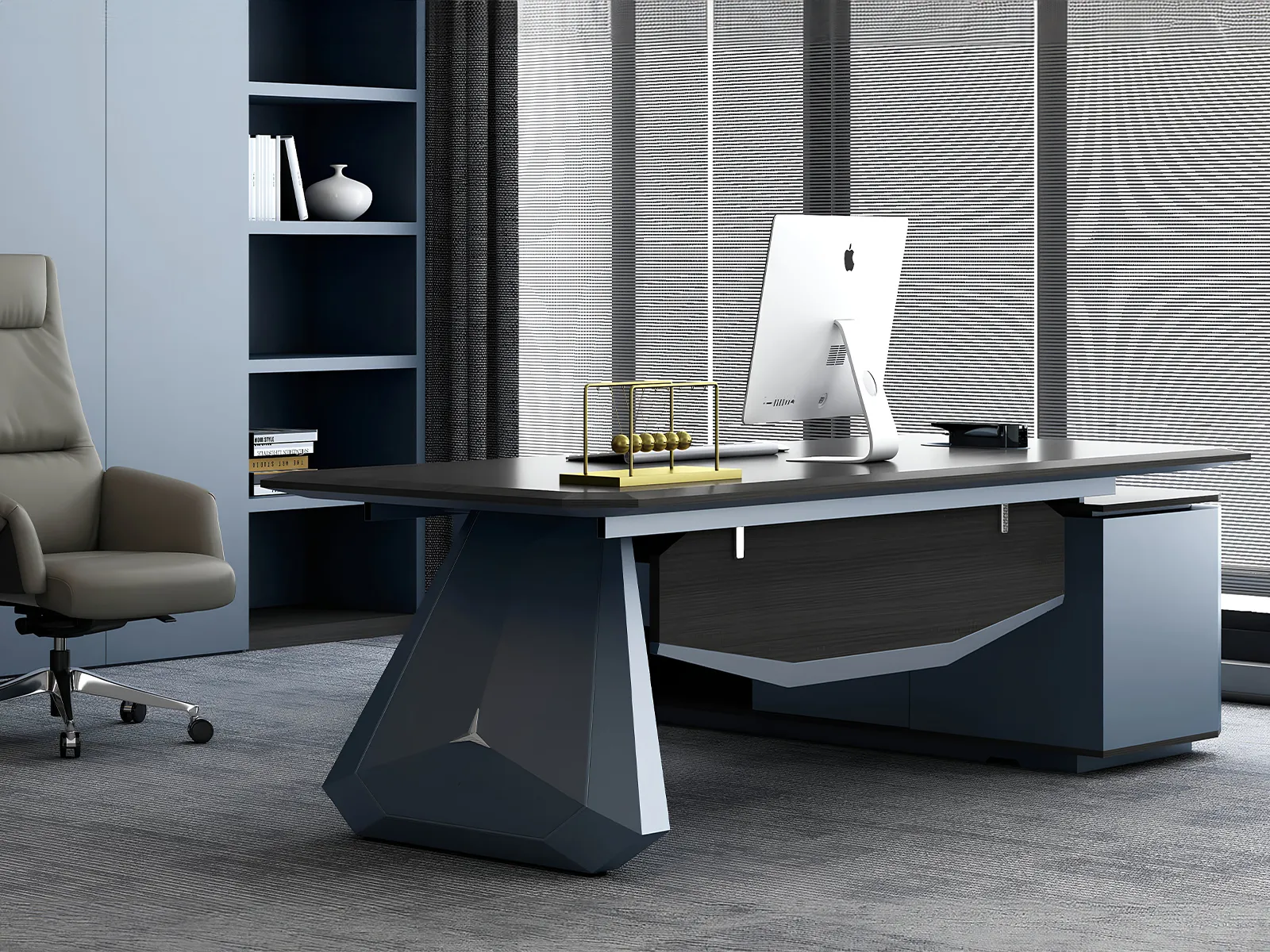
With funding secured, budget shifts toward employee retention and brand image — better chairs across the board, executive furniture for leadership, well-designed meeting and breakout spaces, and higher-quality finishes throughout.
Buy vs Lease vs Rent — What Makes Sense for Startups
Option | Best For | Trade-off |
|---|---|---|
Buy | Stable team size, longer lease commitment | Higher upfront cost, full ownership |
Lease | Growth-stage companies expecting to scale/move | Lower upfront cost, ongoing payments |
Rent | Very early-stage or short-term office needs | Most flexible, least cost-effective long-term |
For most startups past the first 6–12 months, buying modular, reconfigurable furniture tends to offer the best long-term value — it avoids recurring lease costs while still allowing layout changes as the team grows.
Checklist: Furniture Costs for a New Office
- Task chairs (1 per employee)
- Workstations/desks (1 per employee, plus 10–15% buffer for growth)
- Storage units (shared + individual, based on team needs)
- Meeting room table + chairs
- Reception/waiting area seating (if client-facing)
- Executive/cabin furniture (if applicable)
- Breakout/lounge furniture (optional, later stage)
FAQ
How much should a startup budget for office furniture per employee?
This varies widely by city and furniture tier, but a reasonable starting approach is to prioritize seating and desks first, then scale storage and lounge furniture as budget allows — rather than fixing a single per-employee number upfront.
Should a startup buy or lease office furniture?
Buying modular furniture is generally more cost-effective past the first year, while leasing suits companies expecting to scale or relocate quickly within 12–18 months.
What furniture should a startup avoid overspending on early?
Aesthetic and lounge furniture — these matter for culture and brand but shouldn’t come before ergonomic seating and functional workstations.
Setting up a new office? Explore Polestar’s full furniture range across Workstations, Seating, and Storage, or reach out for a tailored office furniture quote.